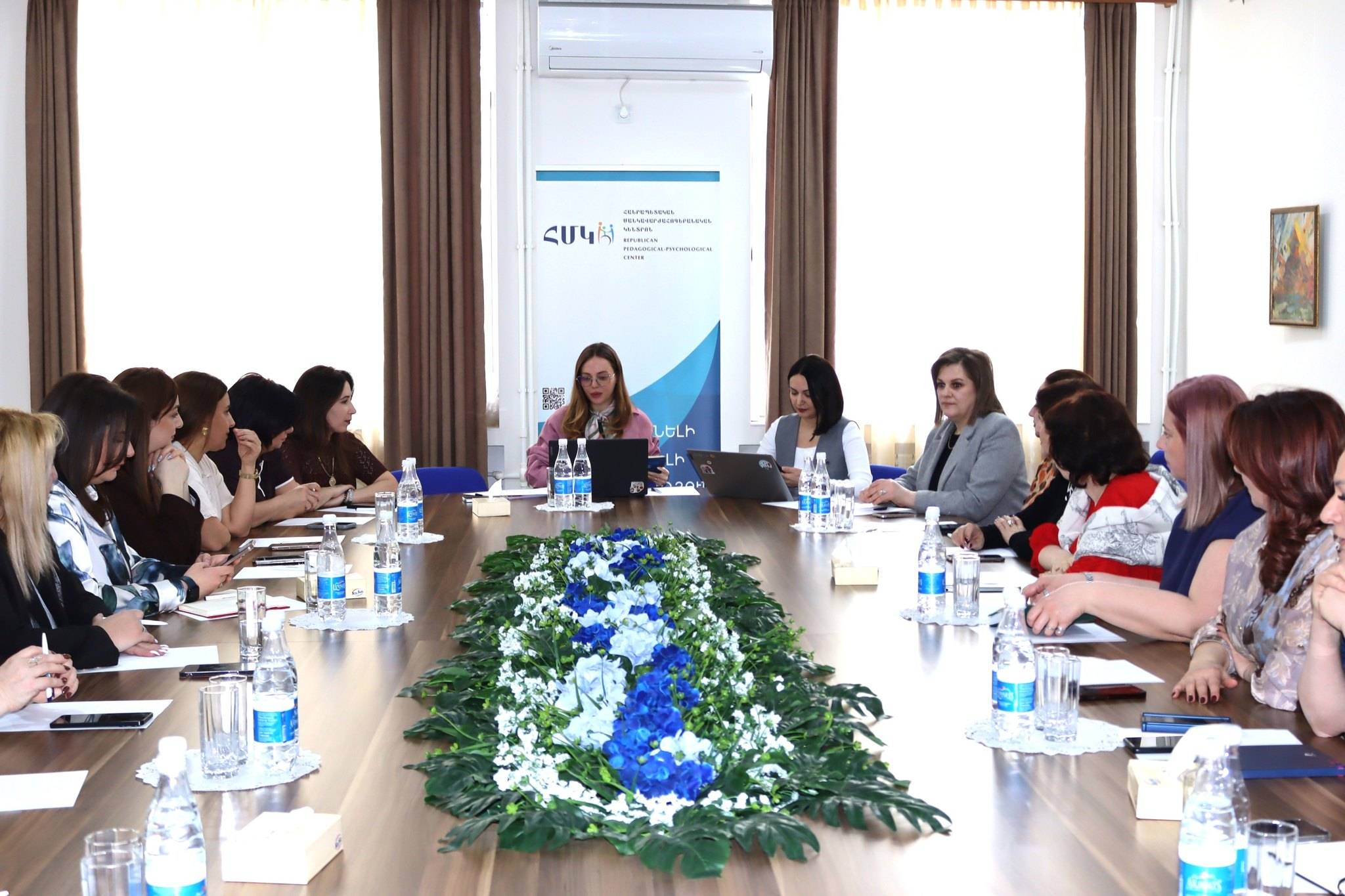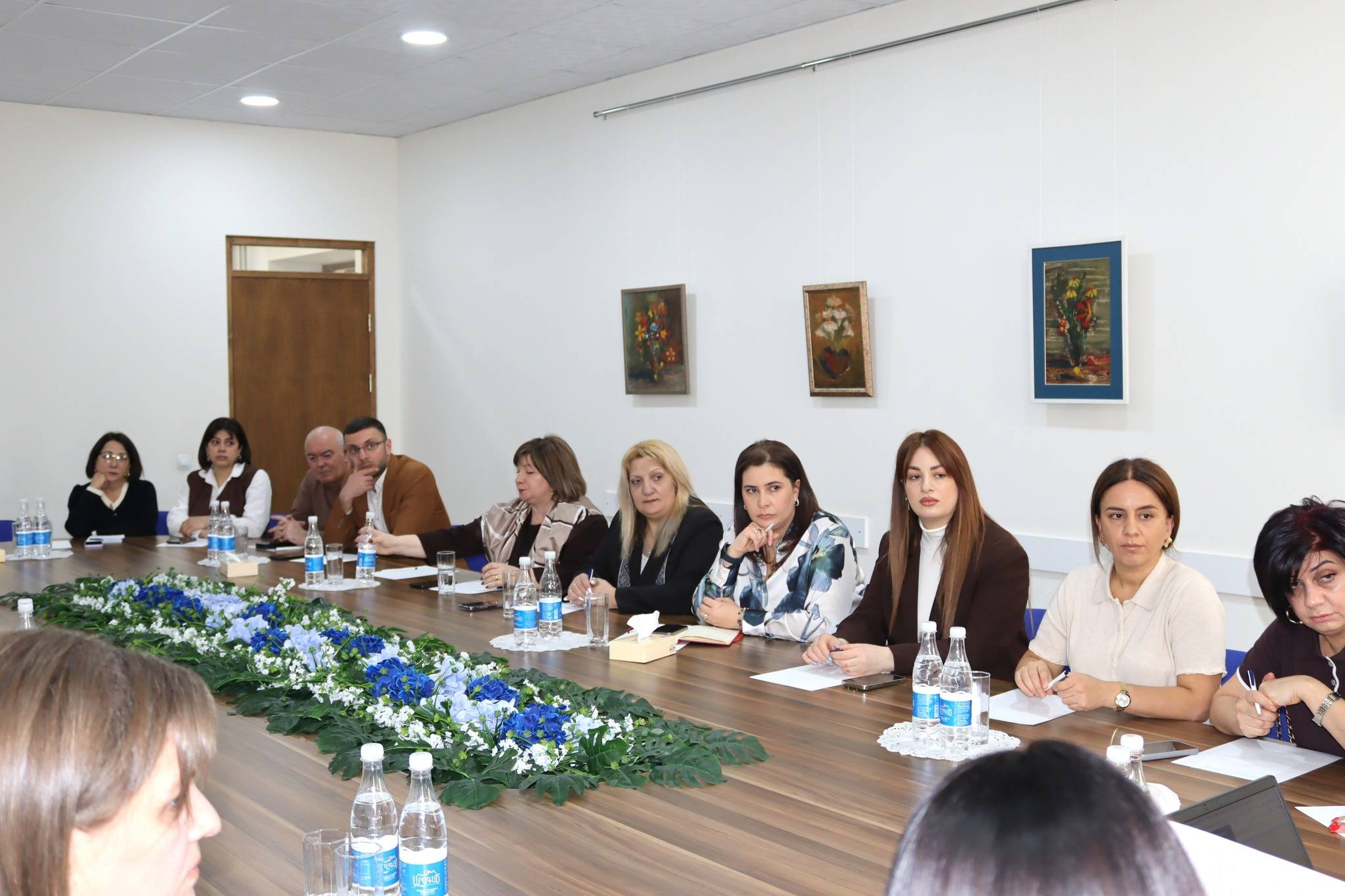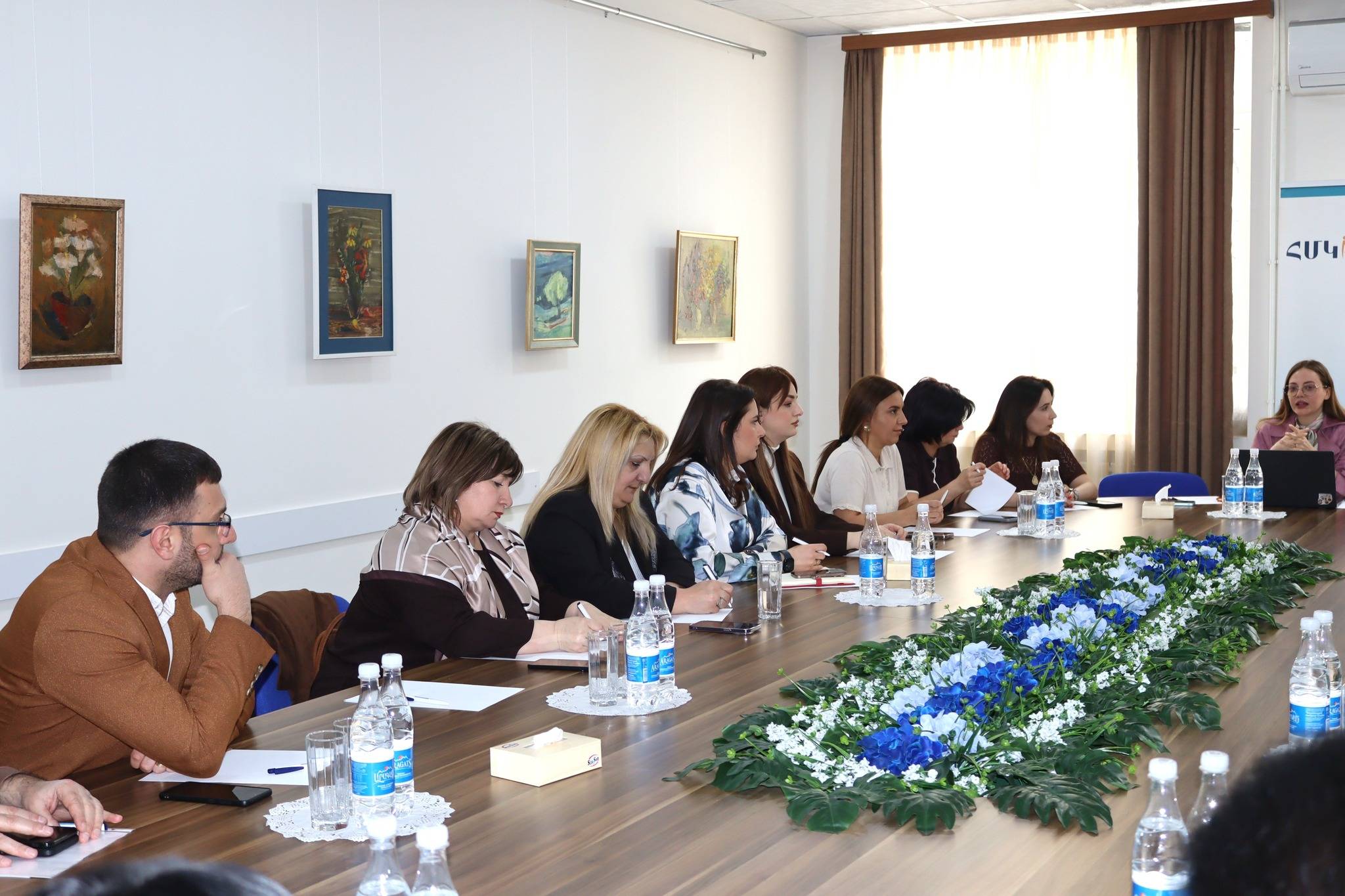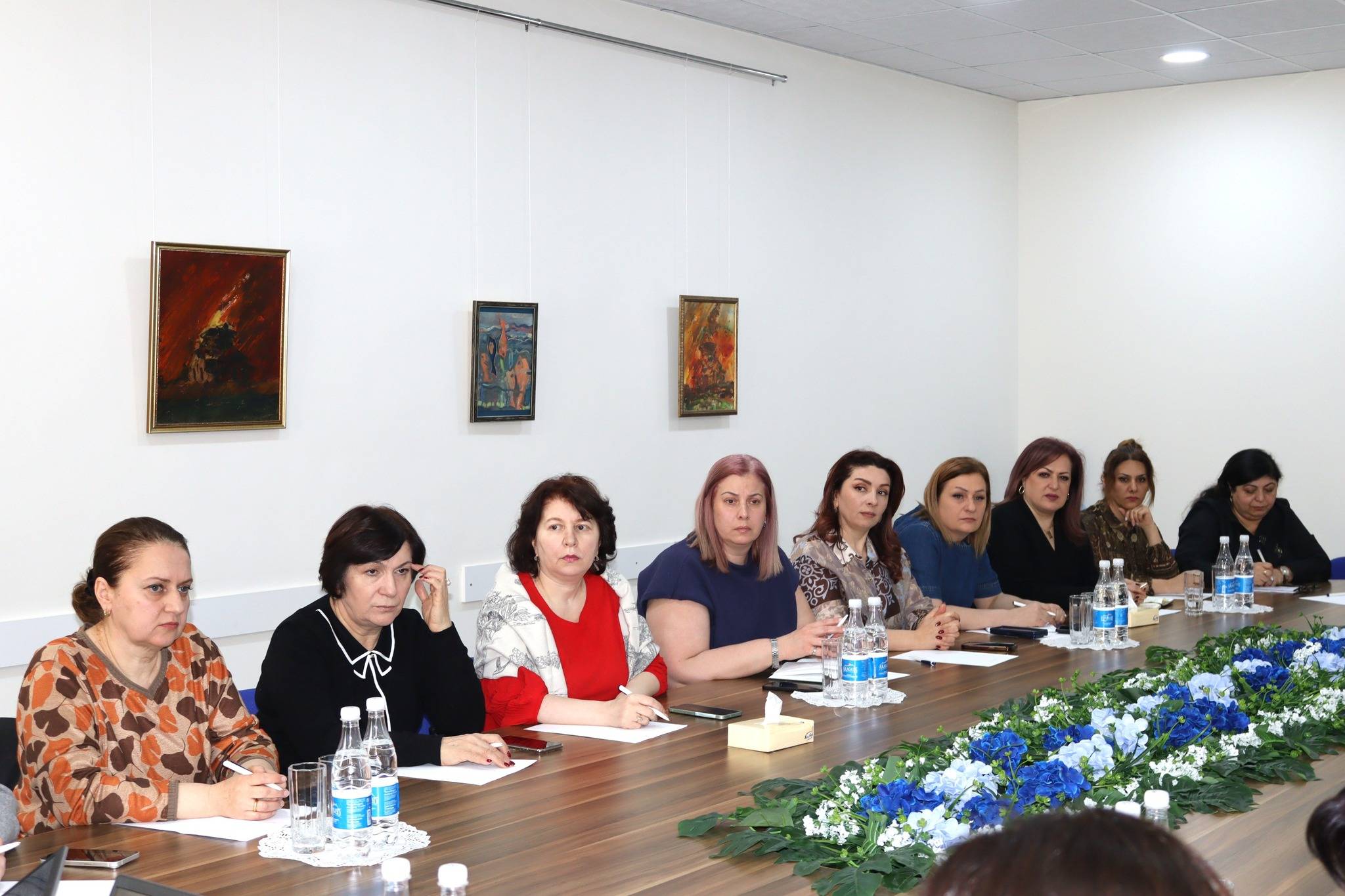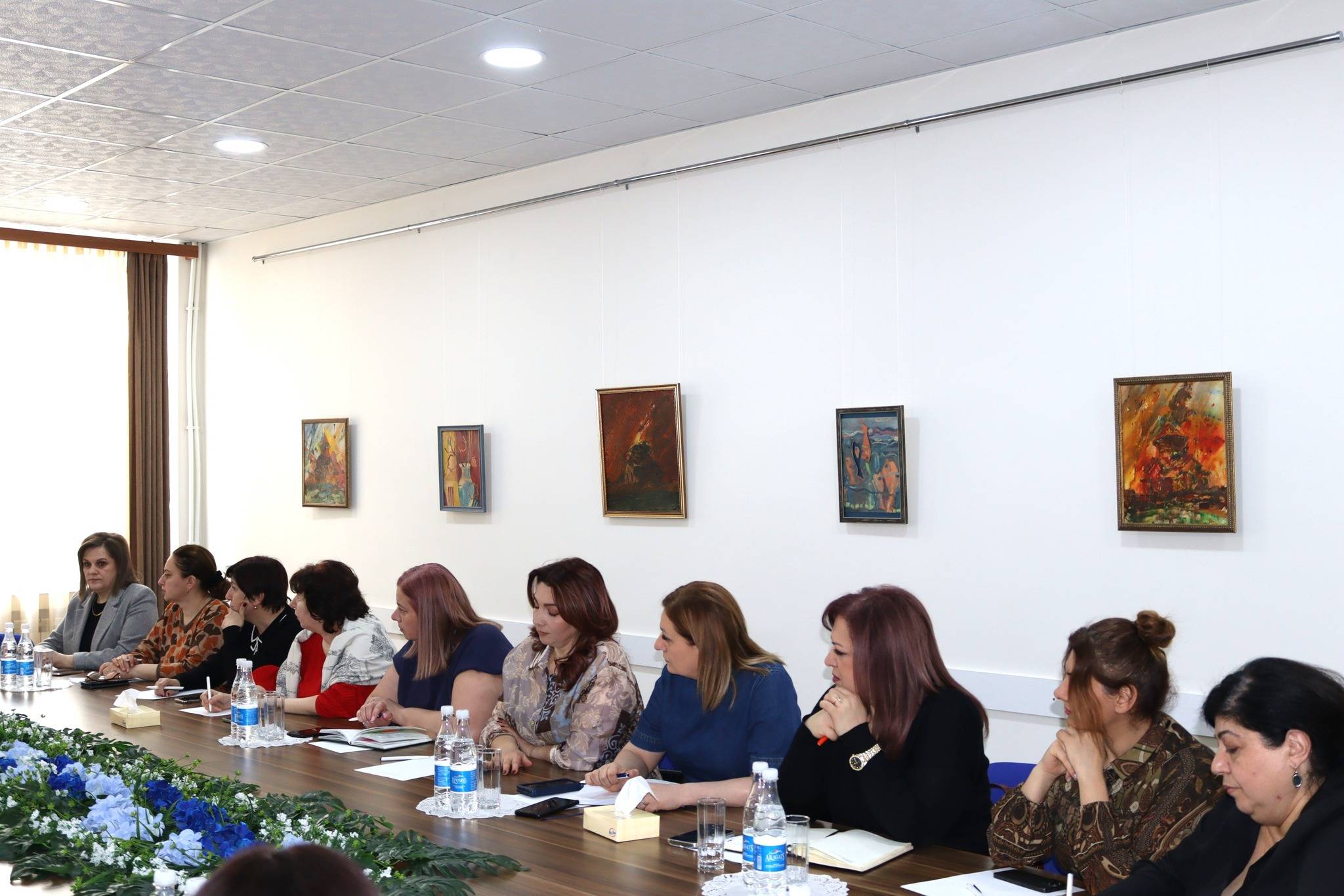
On March 16, 2026, a regular working meeting with the directors of the Territorial Pedagogical-Psychological Support Centers was held at the Republican Pedagogical-Psychological Center, which was hosted by RPPC Director Lilit Mnatsakanyan.
During the Meeting, issues related to the process of assessing special educational needs, professional resources conducting the assessment, replenishment of resources at the territorial centers, staff lists, specialists’ salaries, and amendments to the TPPSC Charters were discussed.
L. Mnatsakanyan attached particular importance to the special educational needs, as well as the mechanisms and procedures necessary for developing and implementing a monitoring toolkit in order to ensure accessibility of the physical environment and reasonable adaptations for the organization of education for persons with disabilities, informing that in 2026, it is envisaged to conduct monitoring in 522 educational institutions.
During the Meeting, L. Mnatsakanyan also touched upon the training courses conducted by RPPC to ensure a safe and secure educational environment, the formation and organization of the activities of Child Protection (CP) teams, spoke in detail about the processes envisaged within this framework, in particular, the assessment of the effectiveness of the impact of CP teams, spoke about the resumption of mentoring activities in Yerevan schools, emphasizing the importance of effective cooperation with them. In order to ensure a systemic approach to the problems, the activities carried out by RPPC Department of Ensuring Social and Psychological Security were also touched upon, with a special emphasis on the formation of supervision groups, the activities they should carry out and the need to organize cooperation with schools.
RPPC Deputy Director Haykuhi Adamyan presented the “Safe and Secure Educational Environment” module, touching upon the training courses and ToTs planned for preschool and general educational institutions, the concept of organizing a safe environment for educational institutions, as well as the responsibility of schools and TPPSCs to share that. The role of TPPSCs in organizing activities in cooperation with school principals, in forming the CP teams and presenting the principles and procedures for planning and implementing actions was emphasized. The necessity and circumstances of including members of parent and student councils in these teams, as well as the development of confidentiality mechanisms, were emphasized. Issues related to the importance of regular meetings with the CP teams, resource allocation and support, training, and organisation of the effective activities of the CP teams were discussed. The need for training school principals and creating a close cooperation with them was also addressed to increase accountability and ensure efficiency.
The Meeting was accompanied by active discussions, during which the TPPSC directors raised the questions of their concerns and received answers.
24․03.2026