SUCCESS STORY ON DEDICATION AND TRUE INCLUSION
(Child’s name has been changed)
Aram is a third-grade student. He is kind, cheerful, and generous, and loves his classmates. He enjoys walking, picking flowers, and giving them as gifts. Due to speech and language difficulties, as well as mental (intellectual) difficulties, Aram requires 4th degree support from pedagogical-psychological services. He moves around unfamiliar environments with the assistance of another person.
When Aram first came to school, many aspects of the environment felt foreign and frightening to him: unfamiliar surroundings, loud voices, and new rules. He found it difficult to adapt to these new conditions and often reacted with resistance. He did not follow the teacher’s instructions and did not complete assigned tasks, remained in the classroom only briefly, and would then leave for the hallway, where he might lie on the floor and cry out. At times, it felt as though he was “fighting against a world in which he was not yet understood.” Aram also required support in meeting his basic needs. He could not use the toilet on his own and often found it difficult to express his needs in time. He also had difficulty following his hygiene, and he had evasive and stubborn behaviour. According to his teacher, Aram had limited awareness of the school environment and struggled to understand and engage with the educational process.
In the 2024-2025 academic year, in cooperation with the Republican Pedagogical-Psychological Center, UNICEF Armenia and “Perkins School for the Blind” International Organization, the “Resource Room” Pilot Program was implemented at his school, aimed at ensuring high-quality and accessible education for students with special educational needs in general educational institutions of the Republic of Armenia, in an educational environment appropriate to their needs, including those receiving home-based education, who have special educational needs because of communication and mental (intellectual) disabilities and require 3rd or 4th degree support from pedagogical-psychological services. The effectiveness of the Program is evidenced by the success stories regularly published on the RPPC website. The continuation of the program in the 2025–2026 academic year further serves as a strong indicator of its effectiveness.
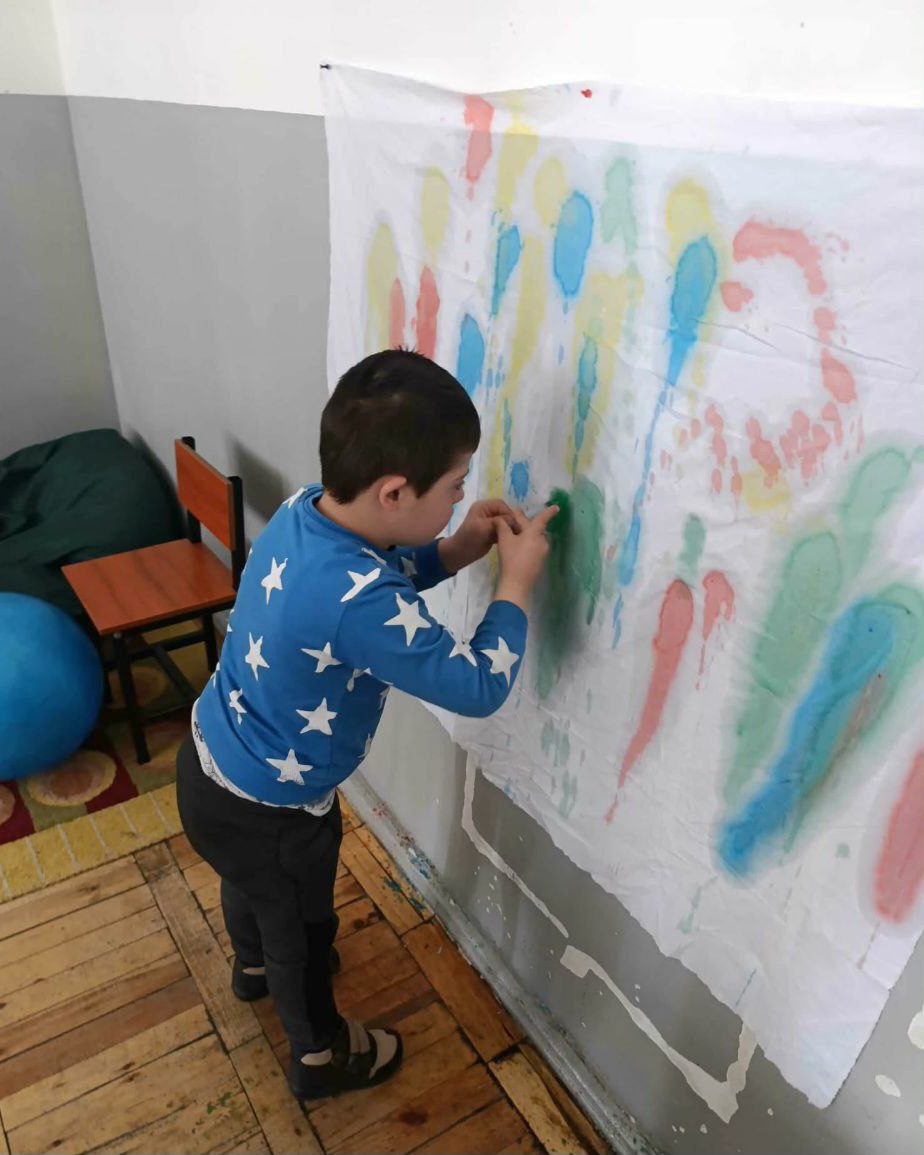
The Resource Room was located on the first floor. It was furnished with modern equipment and supplies that helped develop independent living skills and discover one’s own abilities. The environment was intentionally organized to build Aram’s confidence in his own strengths and capabilities. This room helped him understand that he was involved in school life.
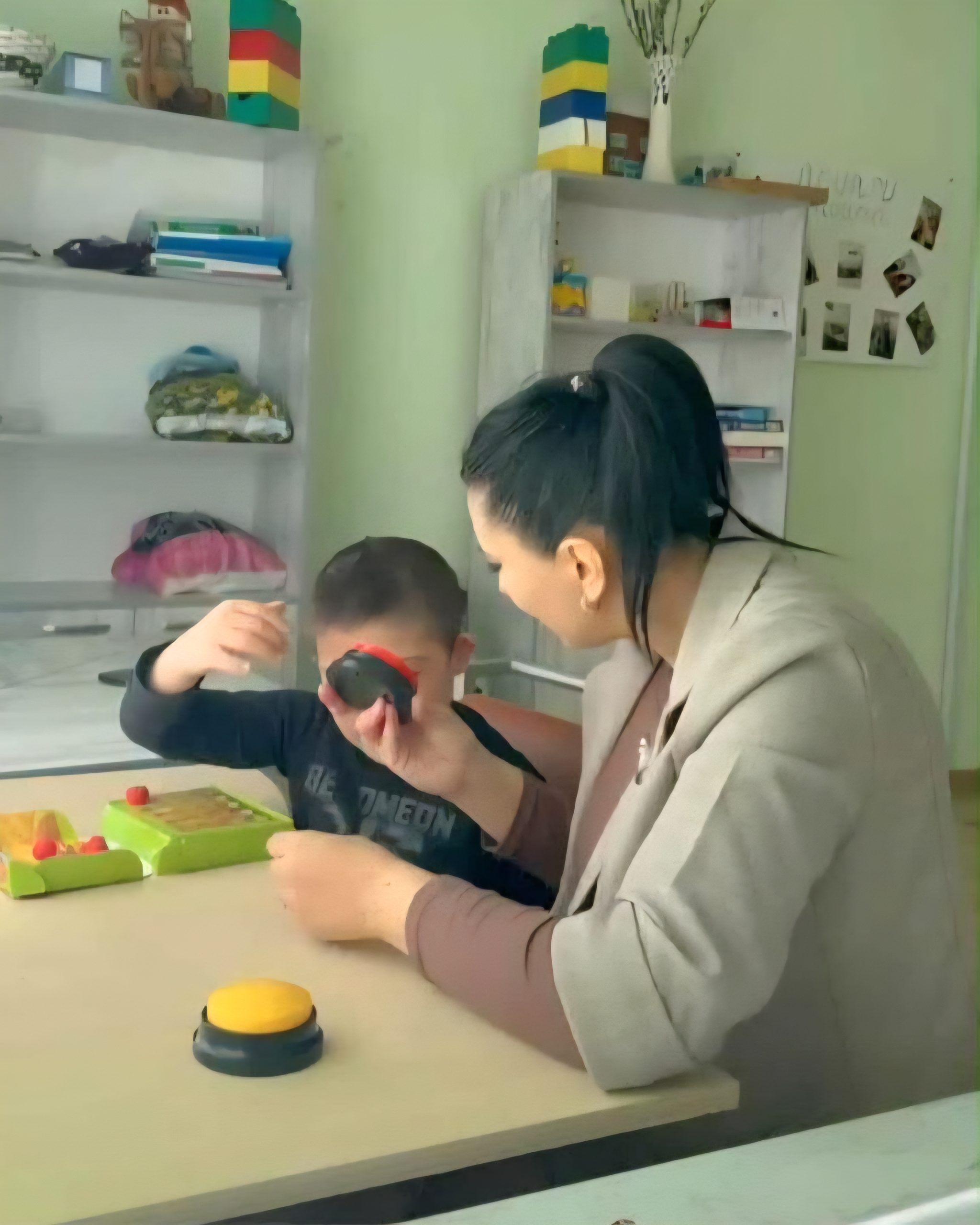
Special Educators Aida Sukiasyan and Margarita Karapetyan from Shirak Territorial Pedagogical-Psychological Support Center worked with Aram in the Resource Room.
The specialists tell:
“Aram’s main challenges were avoidant behaviour and rigidity, which had clear underlying reasons: everything at school was inaccessible and demanding for him—academic tasks, teachers’ assignments and demands, and communication with peers. He often refused to interact, showed significant indifference to the assigned tasks, and refused to complete them. At times, he would remove his shoes, lie down, stamp his feet on the floor, cry out, resist walking, and wanted to be hugged all the time. However, we were confident that Aram would overcome these challenges, as the school demonstrated a strong willingness to cooperate, the parents remained consistent, and the student had a care assistant․
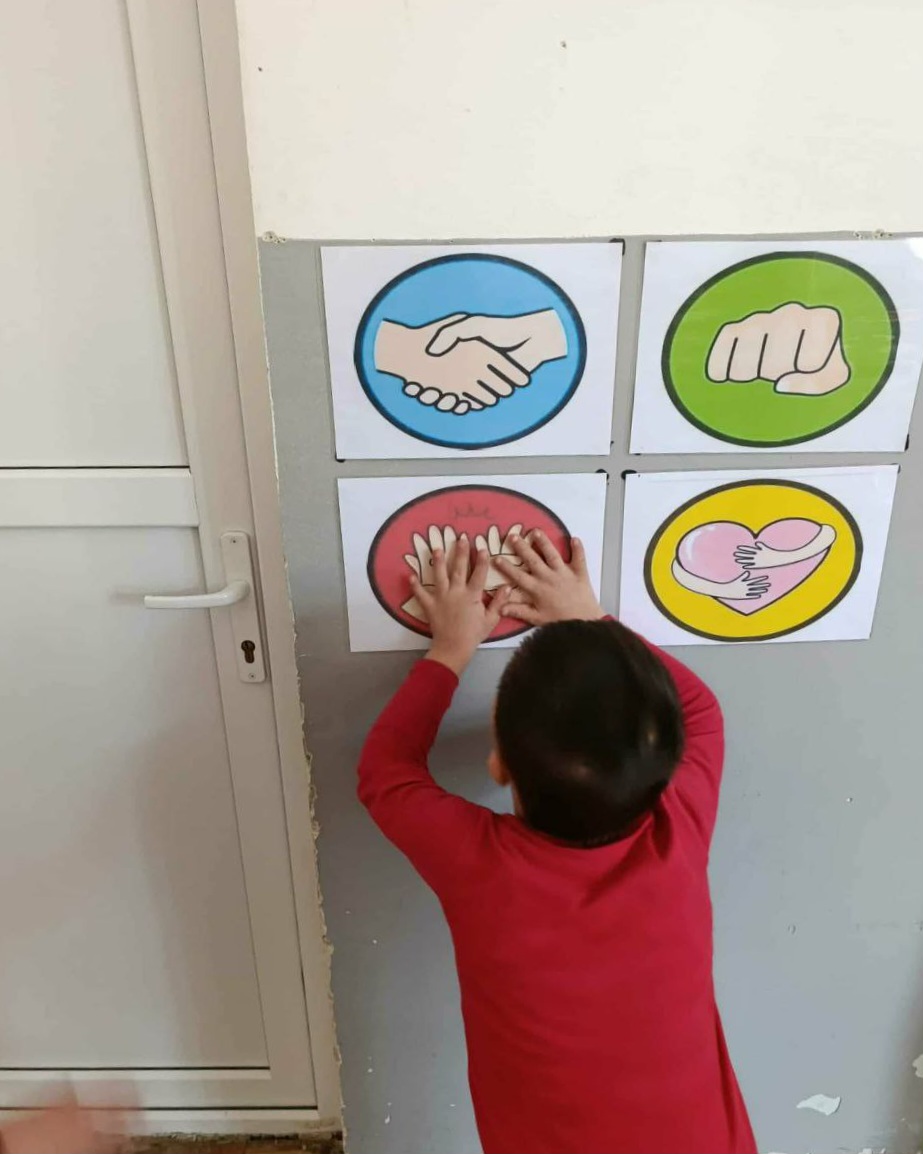
As a result of observing the child and identifying his strengths, abilities, and challenges, we set realistic goals and began working toward their achievement. We developed small steps, which would lead to the implementation of simple tasks. We started working with easy tasks. Aram began to “express his needs” using alternative communication cards, clearly indicating when he was hungry, thirsty, or wanted to go to the corridor. As he realized that his messages were understood, he became enthusiastic and engaged more actively in the activities, responding positively to small forms of encouragement.
By applying the technique of encouragement, we achieved success in various areas of the child’s development.
Gradually, Aram began to acquire independent living skills: organizing his personal belongings in his bag, keeping his surroundings tidy, and helping in the kitchen by chopping vegetables while preparing salads, as well as counting and arranging tableware. With the support of the Resource Room specialists, he also learned to shop independently—selecting the food he needed and paying for it. Now, Aram not only takes care of his own hygiene but is also attentive to others. When someone forgets an item, Aram points to it with his finger, thus reminding them about it.”
The specialists consider the expectations regarding Aram as positive and justified: by treating the work entrusted to them with great responsibility, love, and care, they achieved encouraging results.
Aram now communicates with those around him through gestures and pictures: he uses his small cards depicting various actions to “speak,” creating a unique bridge between himself and the world. He is always accompanied by his care assistant, who “listens” to him and helps strengthen that bridge even further.
Aram is now able to participate in classes. He sits at his desk, listens attentively to the teacher and his classmates, and often smiles with his characteristic simplicity. At the end of the lesson, he clears his desk, arranges his stationery, and at times helps his classmates, offering the same gentle smile.
Aram’s success has also become a source of excitement and encouragement for his mother. She now speaks about Aram’s progress with greater confidence and faith:
“Over the past year, Aram has changed significantly. He comes to school with pleasure, strives to make friends, communicate, and participate in classes. He sincerely loves and trusts the specialists and his care assistant. He confidently uses the cafeteria, is able to make independent choices, and takes care of his personal hygiene.”
Due to the “Resource Room,” not only has Aram changed, but also the people around him—teachers, teacher assistants, and peers. Moreover, it is not only their attitude toward Aram and their interaction with him that has transformed, but also their overall understanding and perception of what a welcoming and inclusive environment truly means.
Aram’s story is one about strength, dedication, and genuine inclusion—filled with human effort, care, and warmth.
29.12.2025