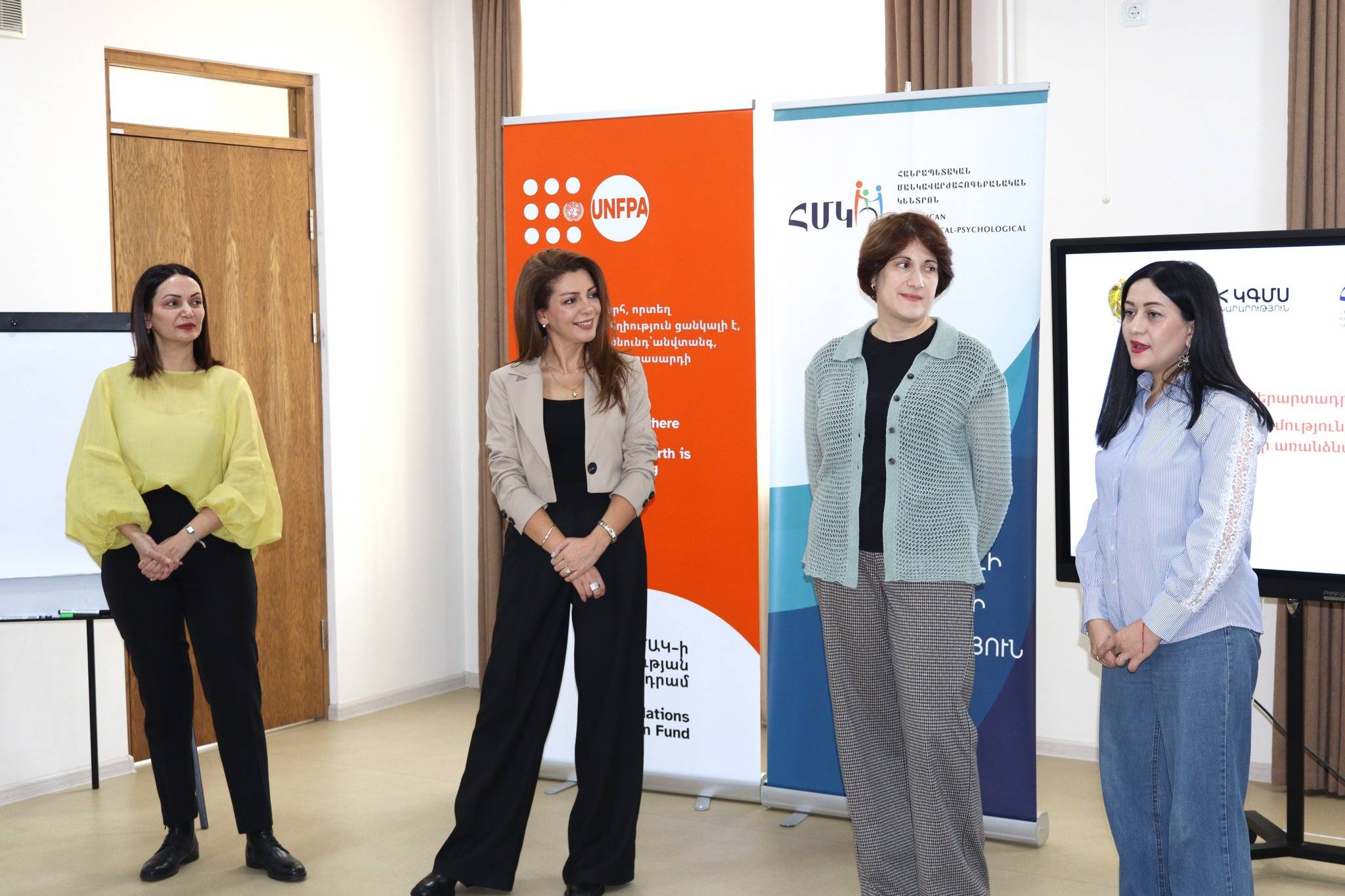
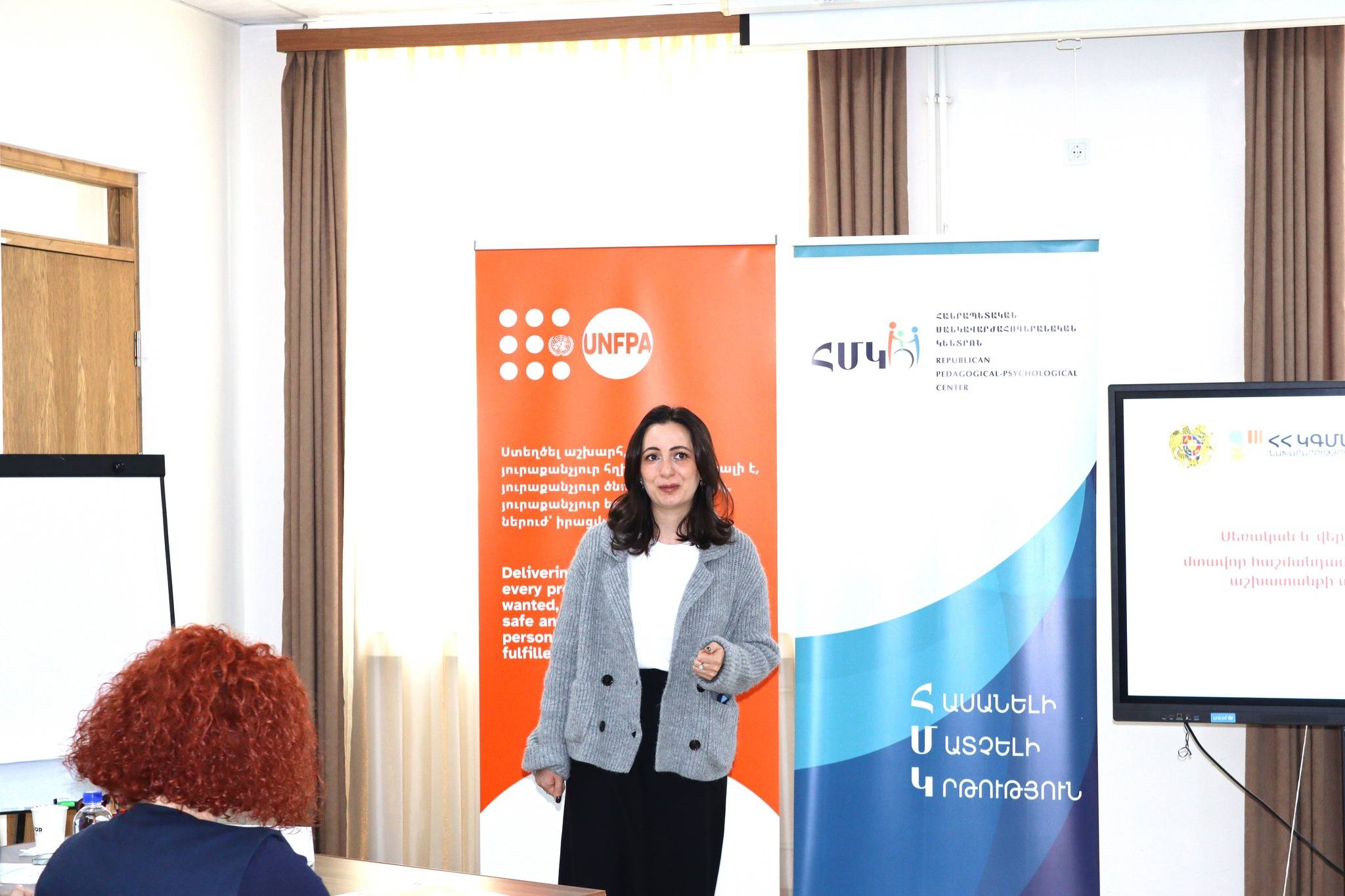
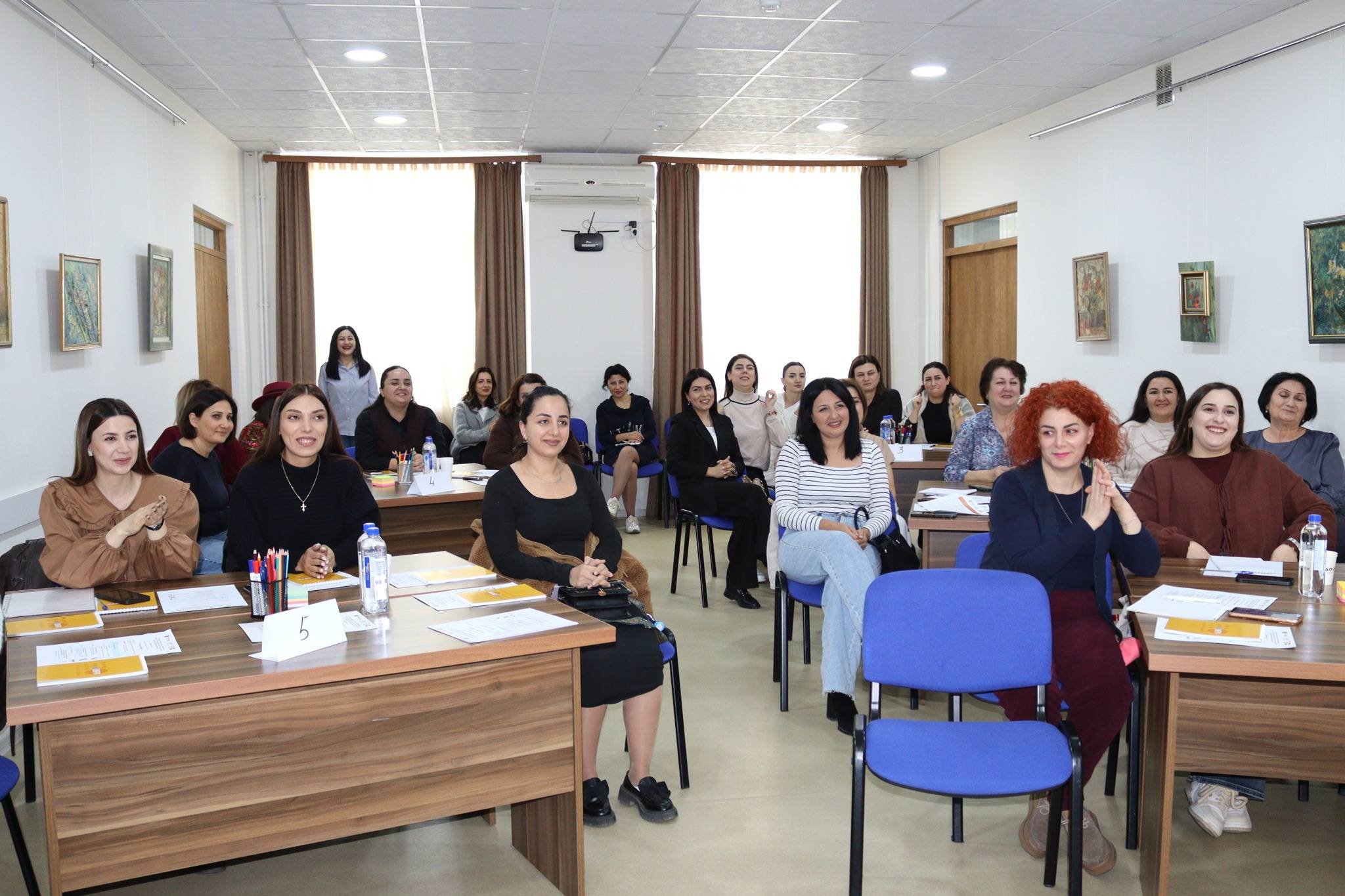
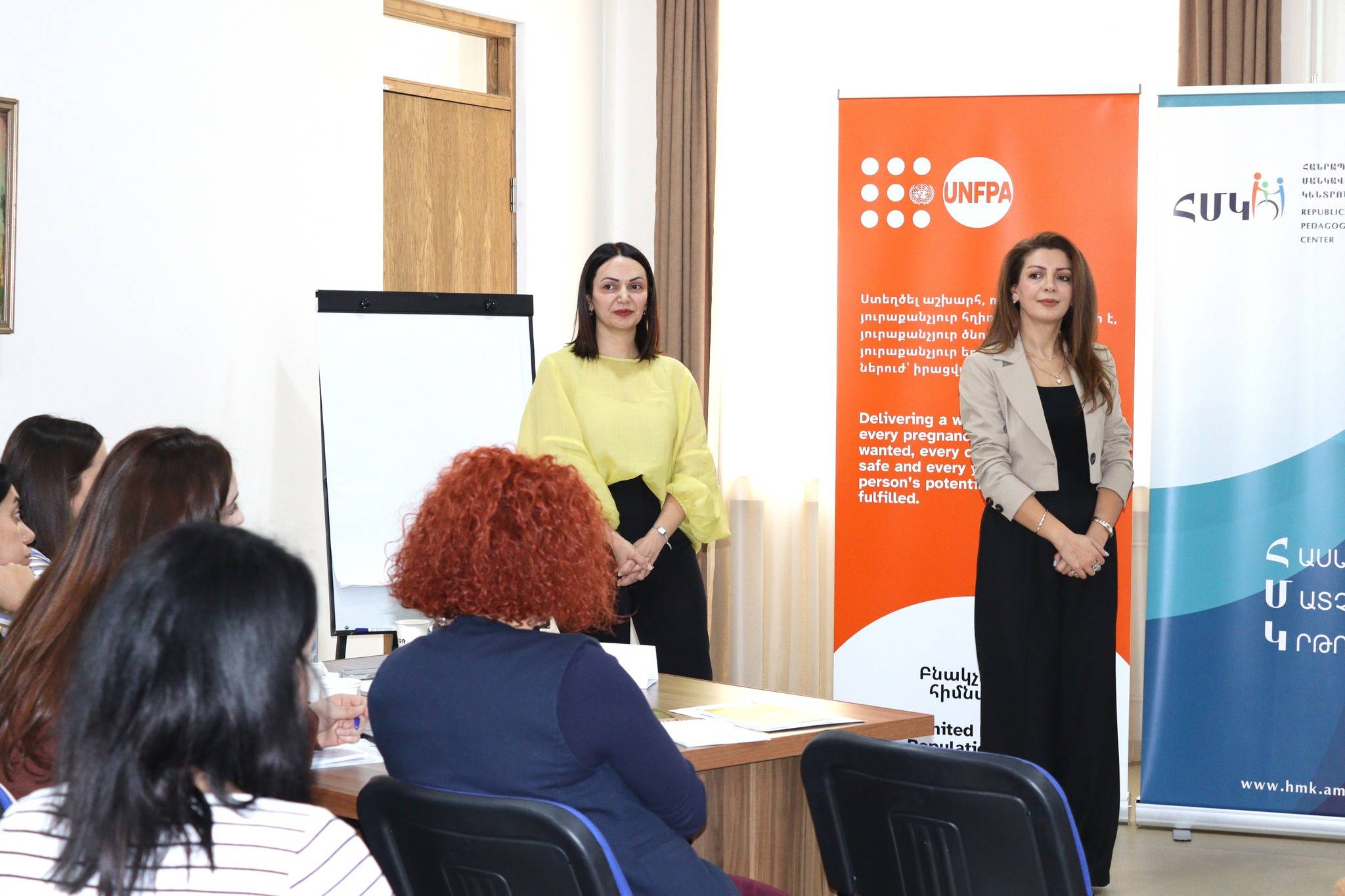
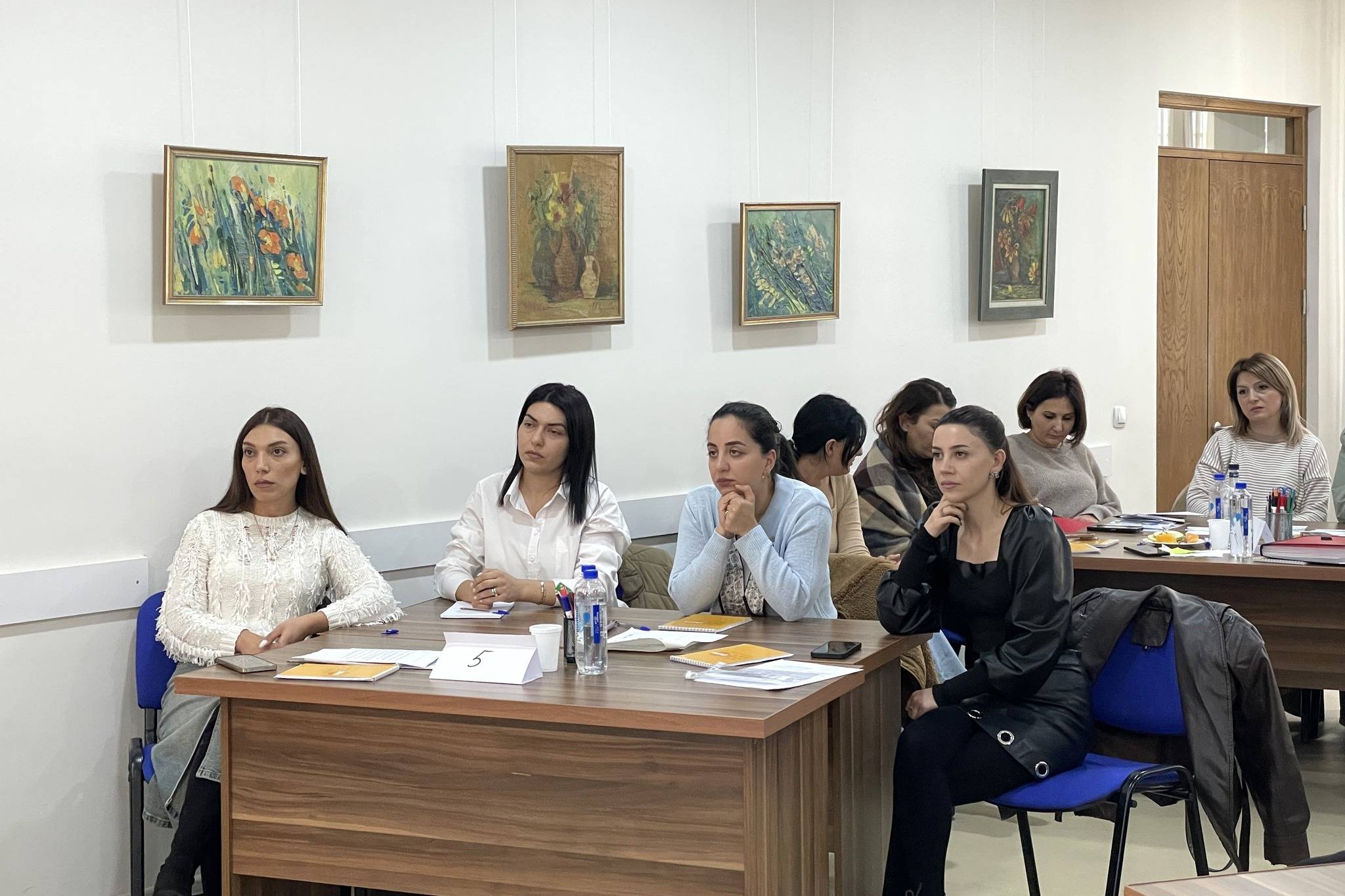
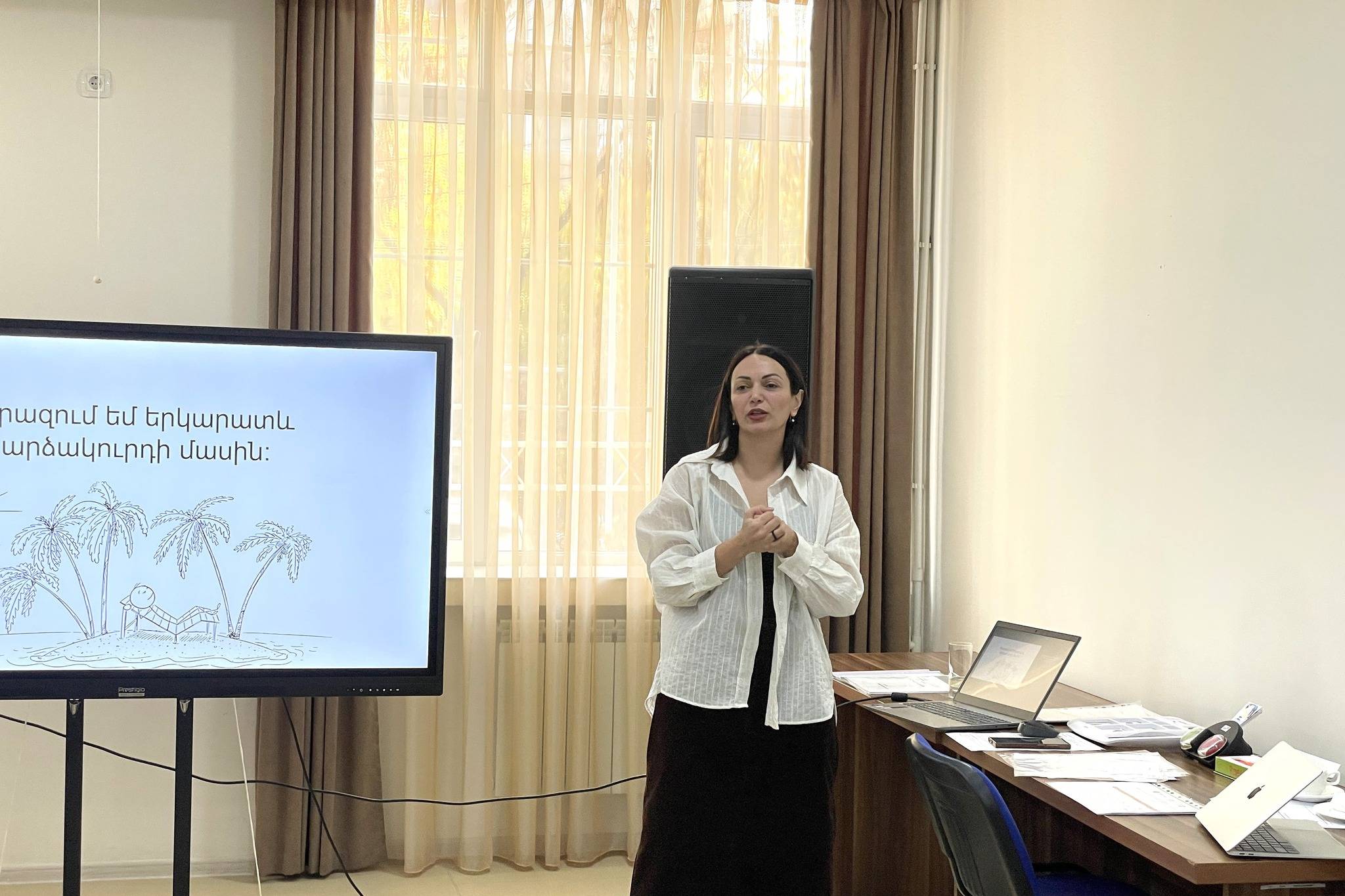
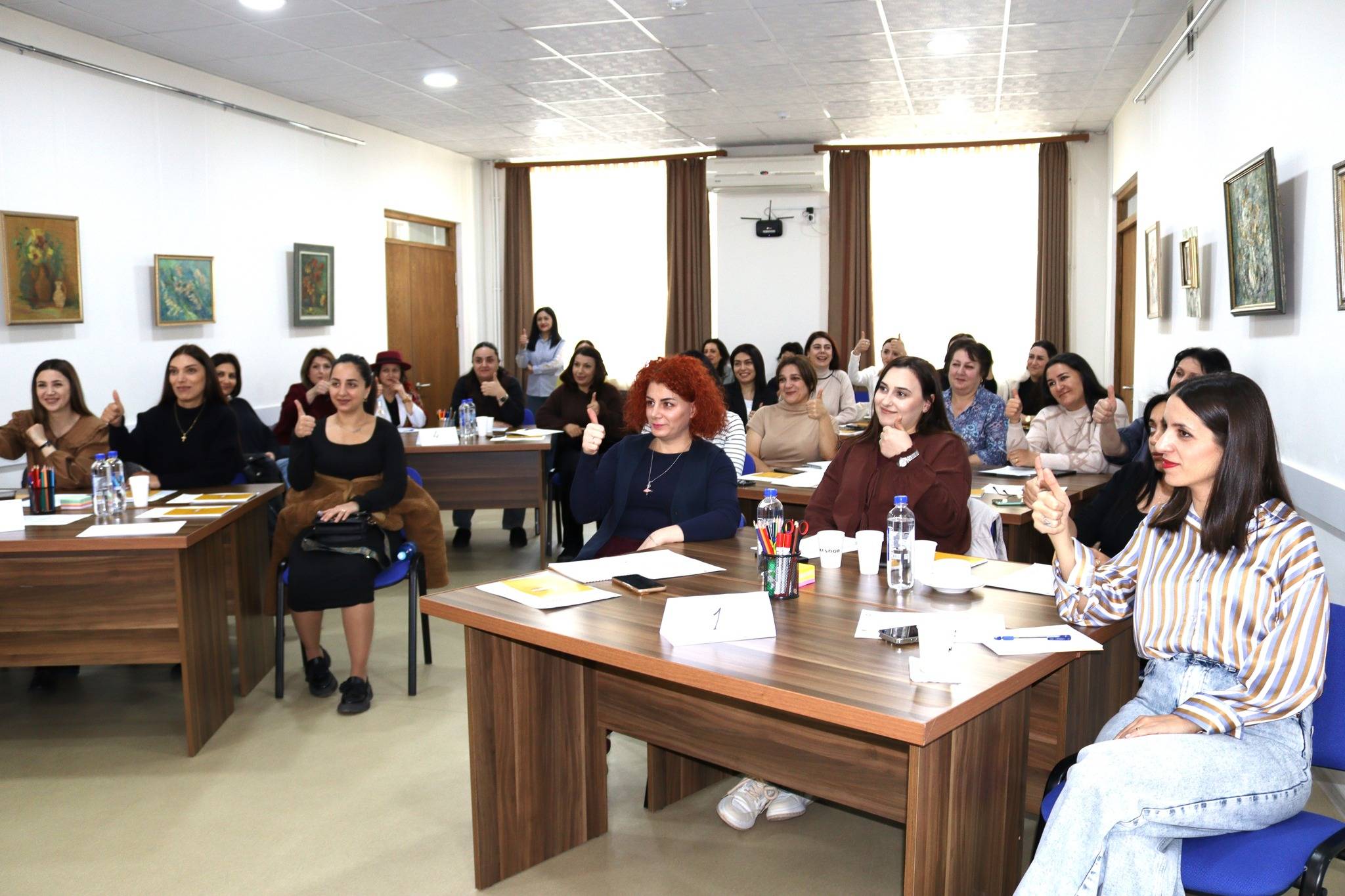
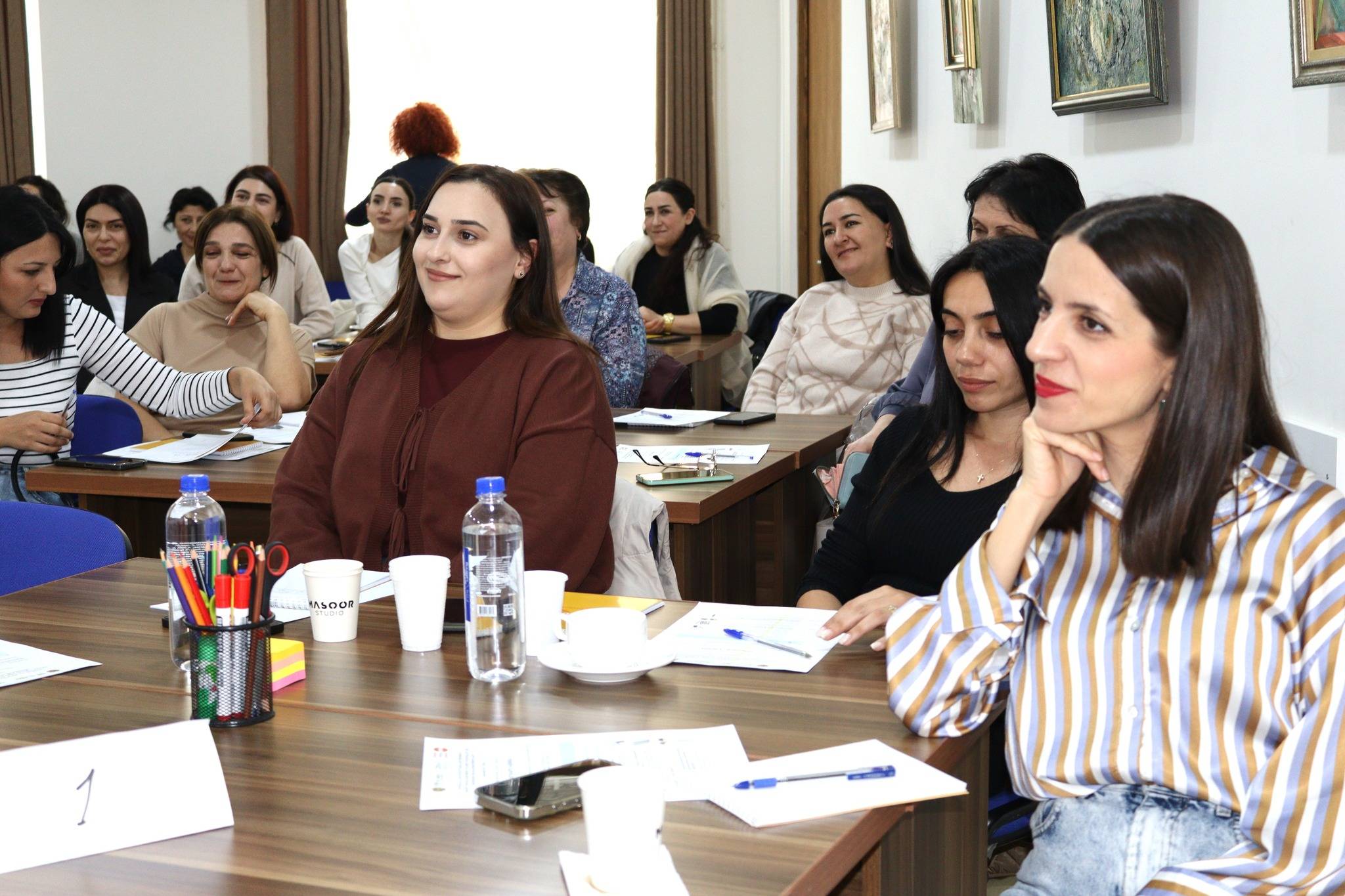
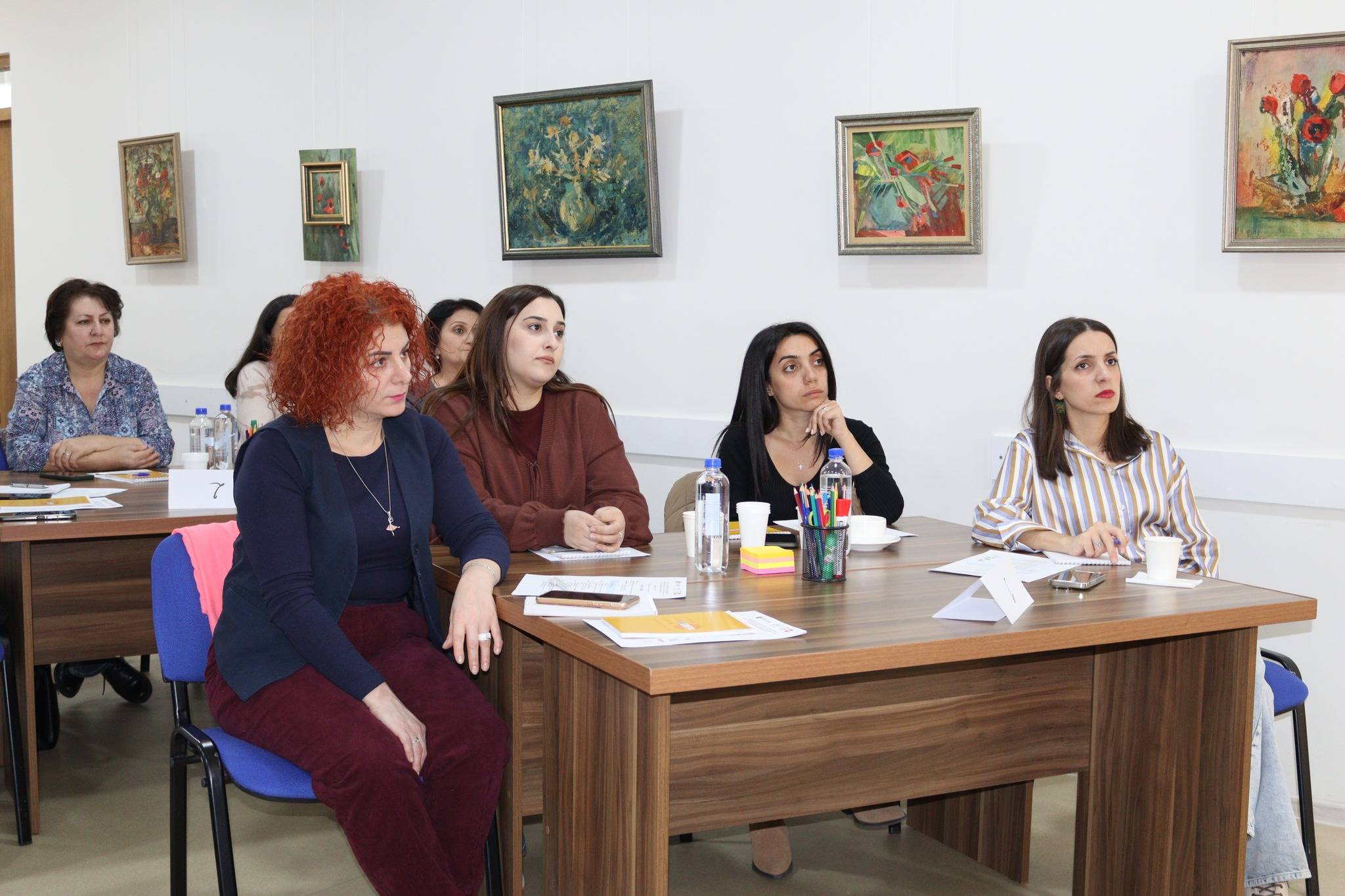
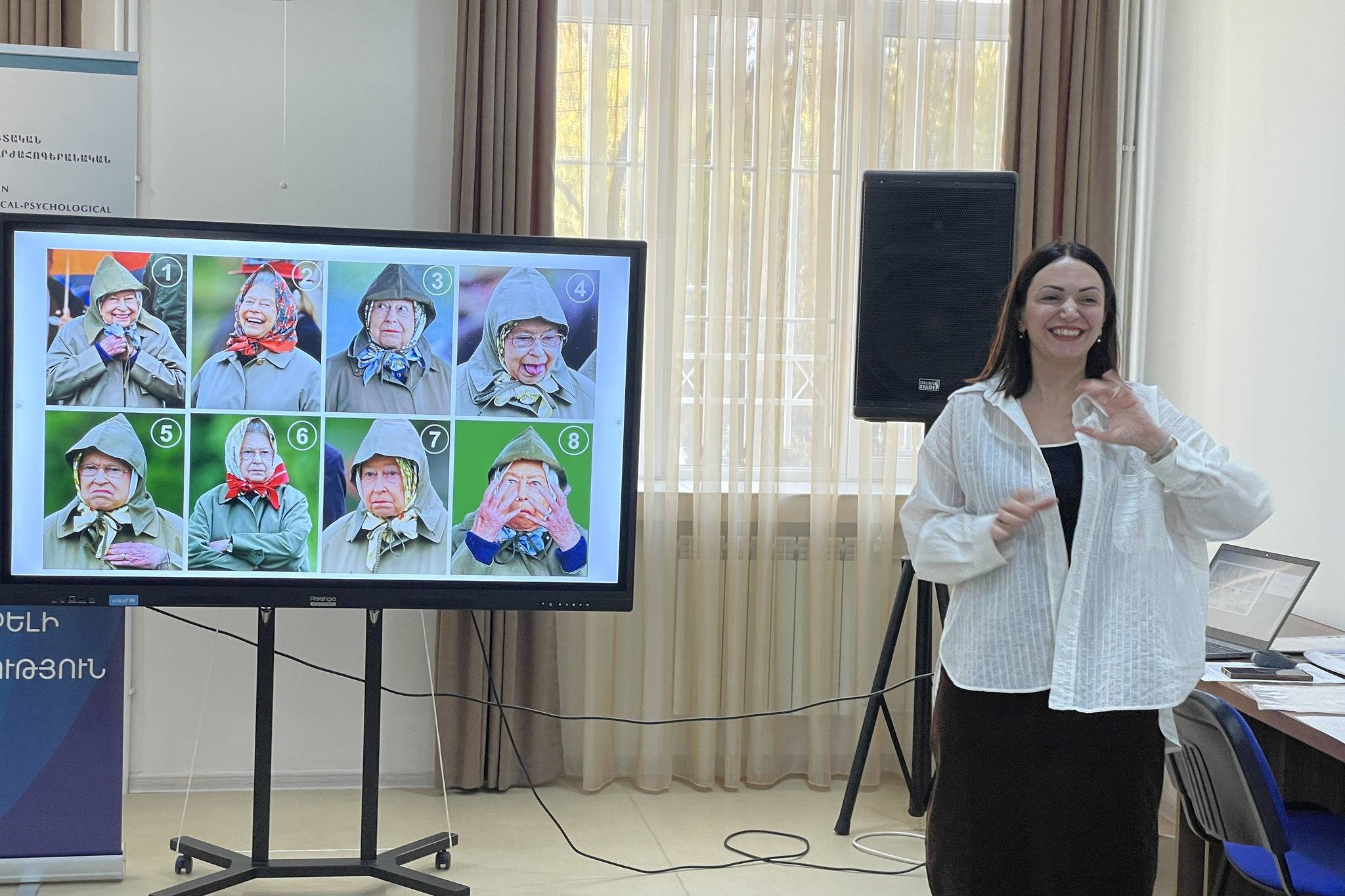
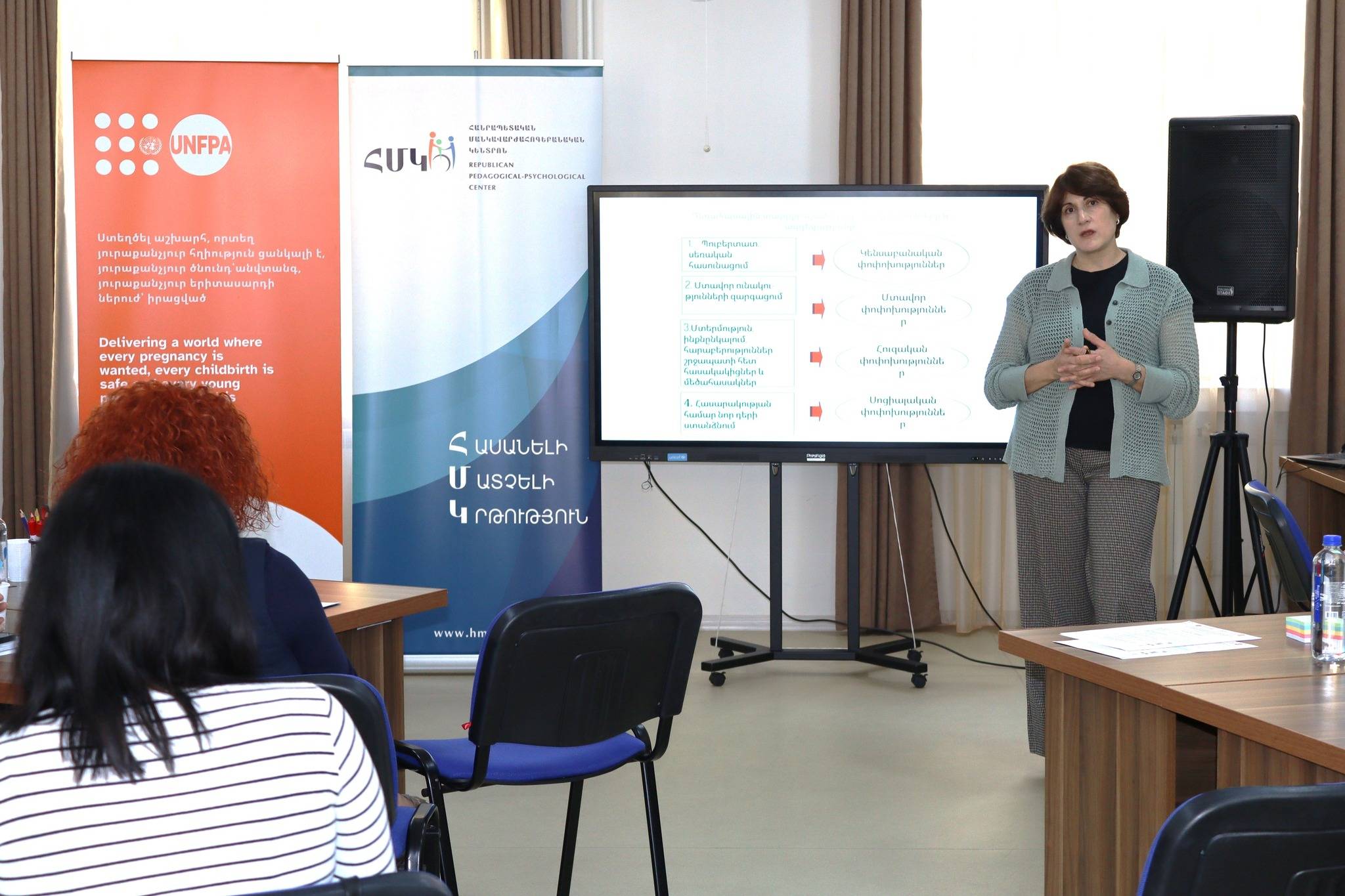

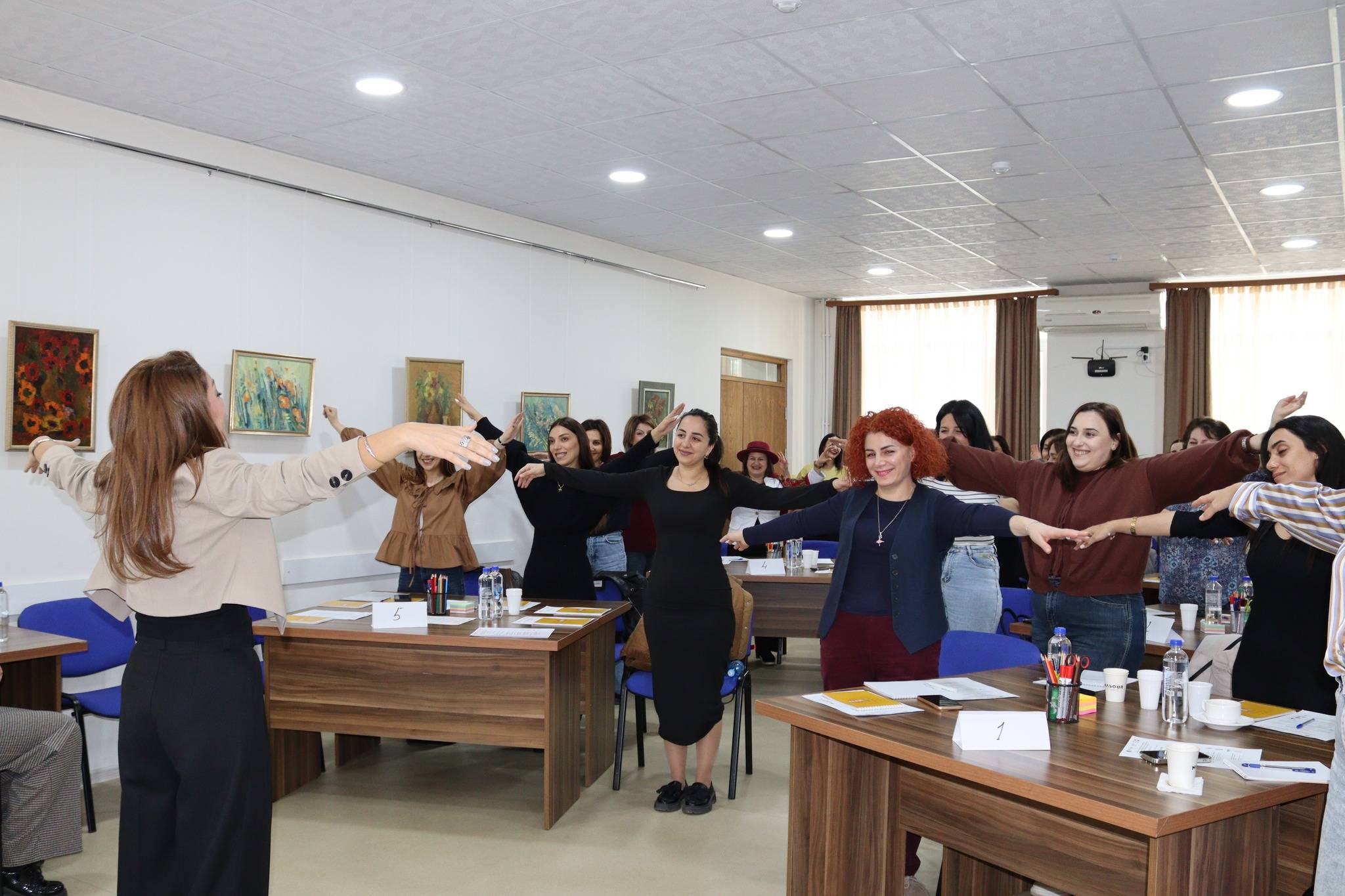

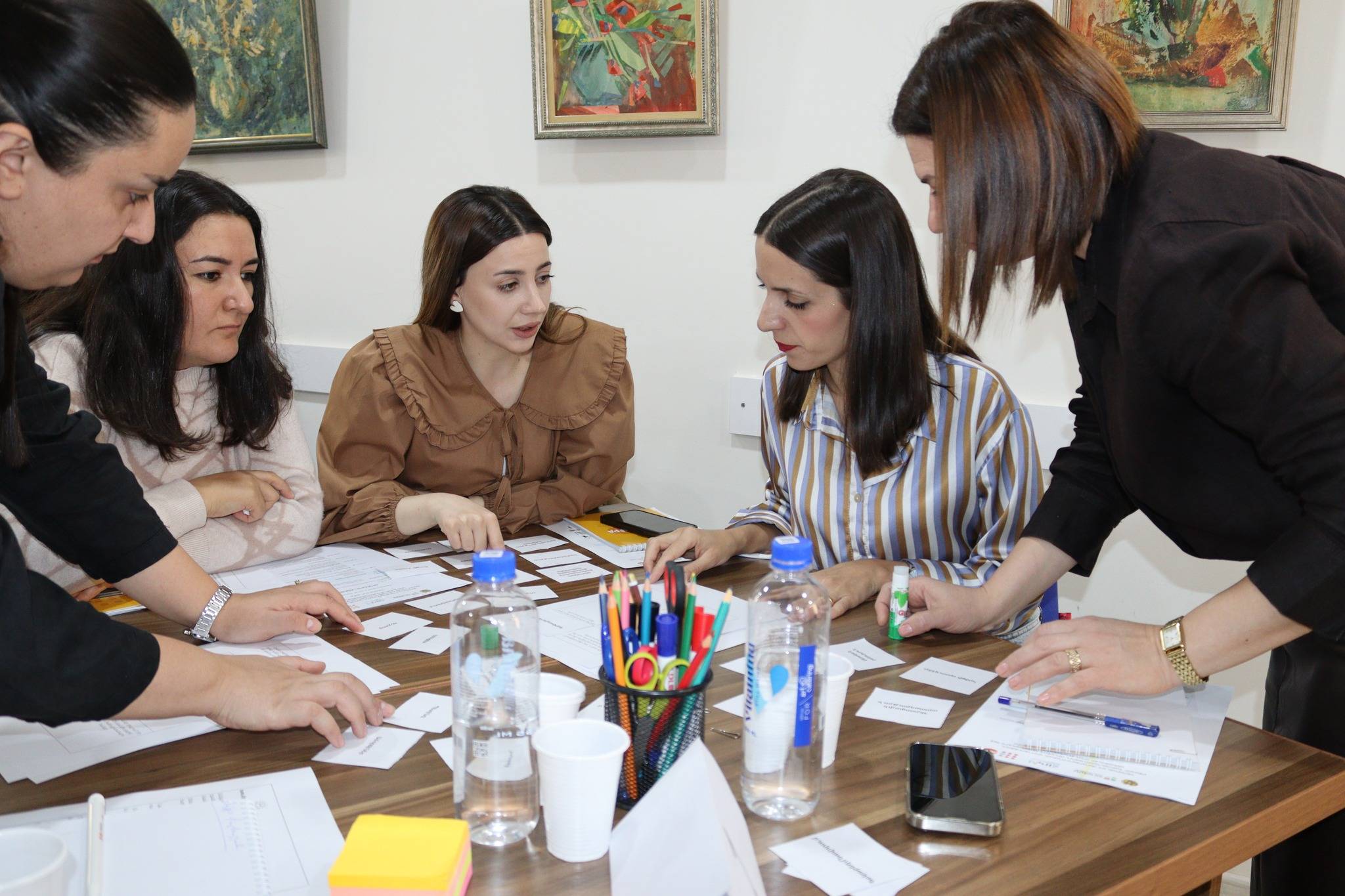
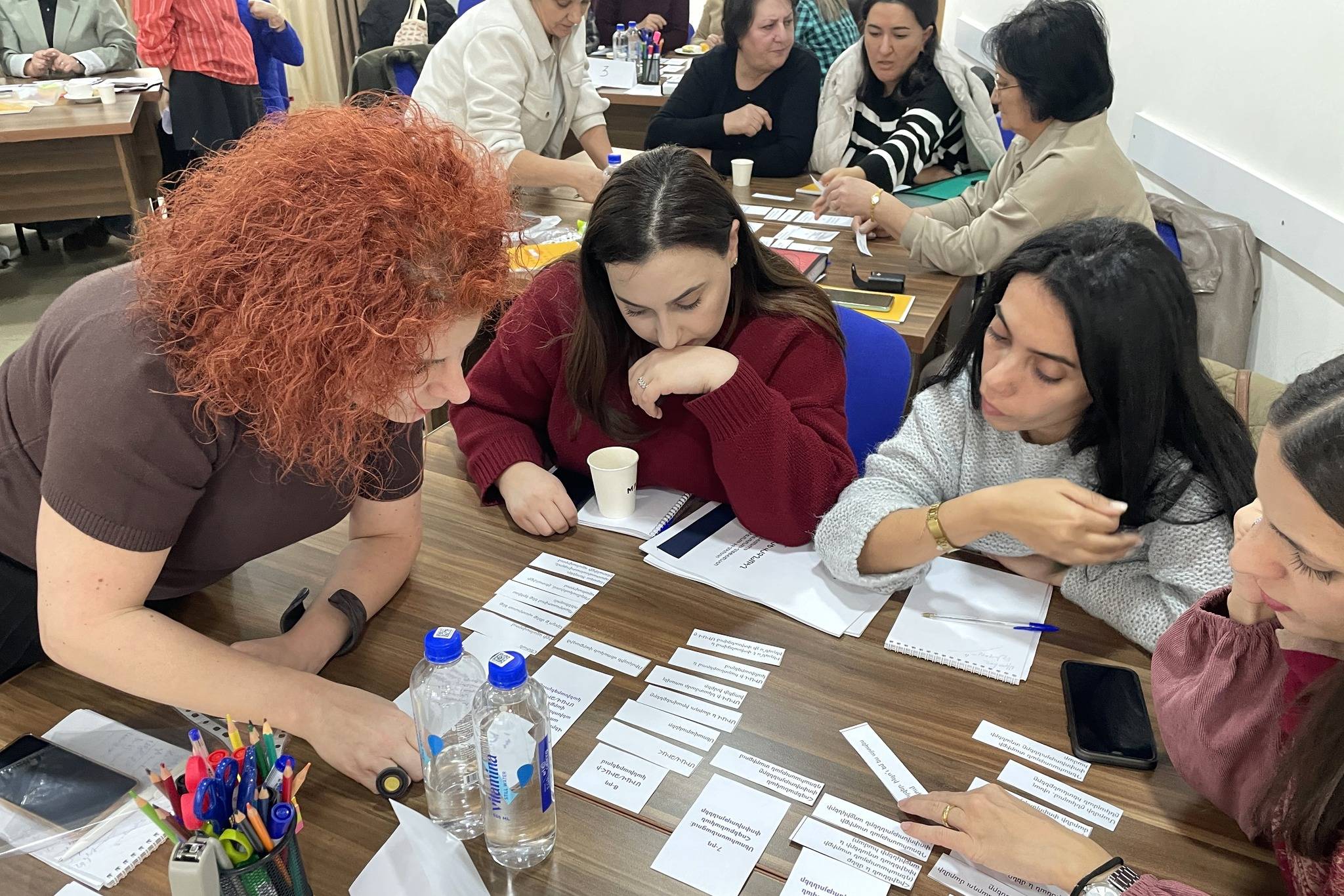
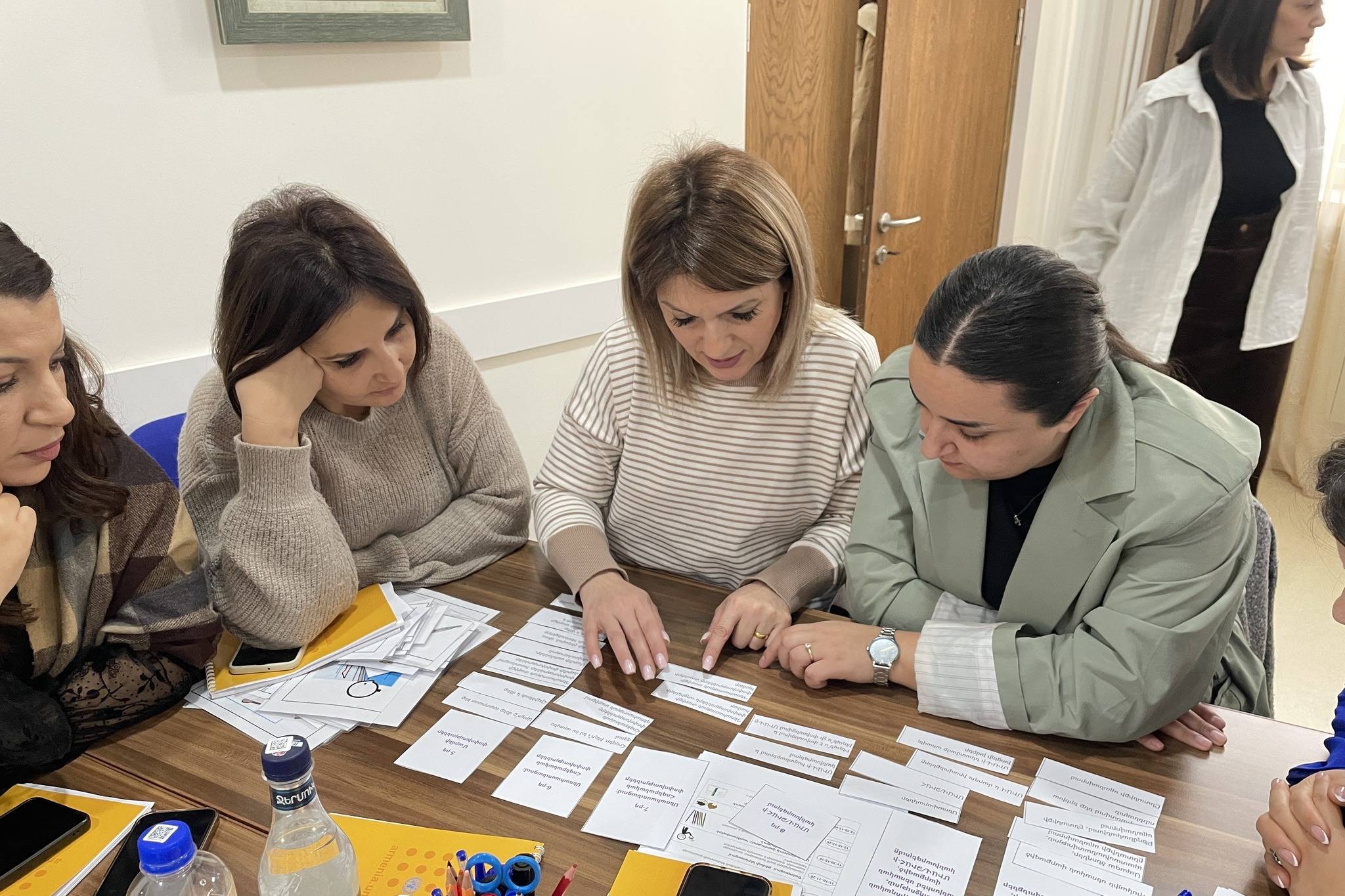

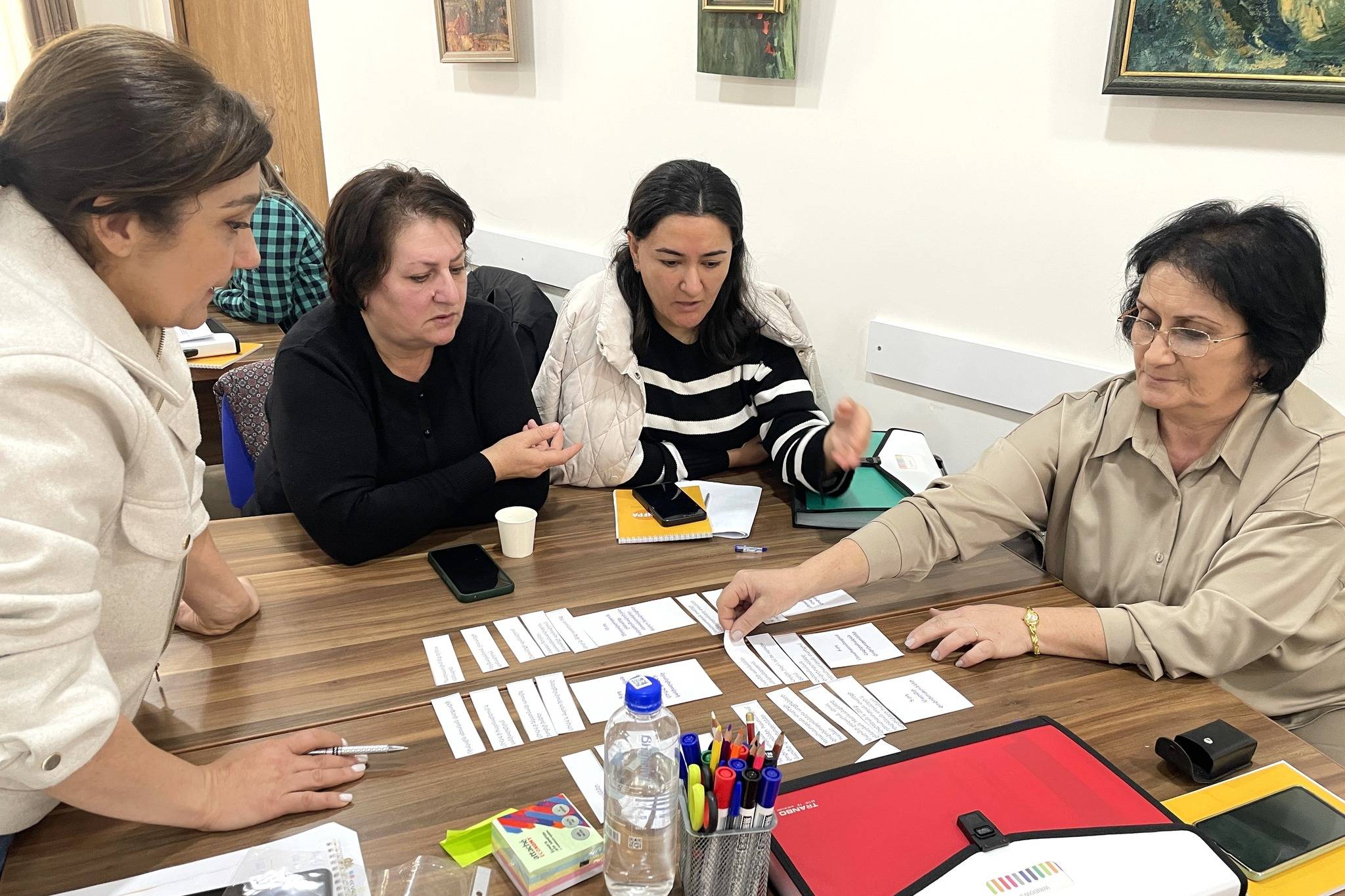
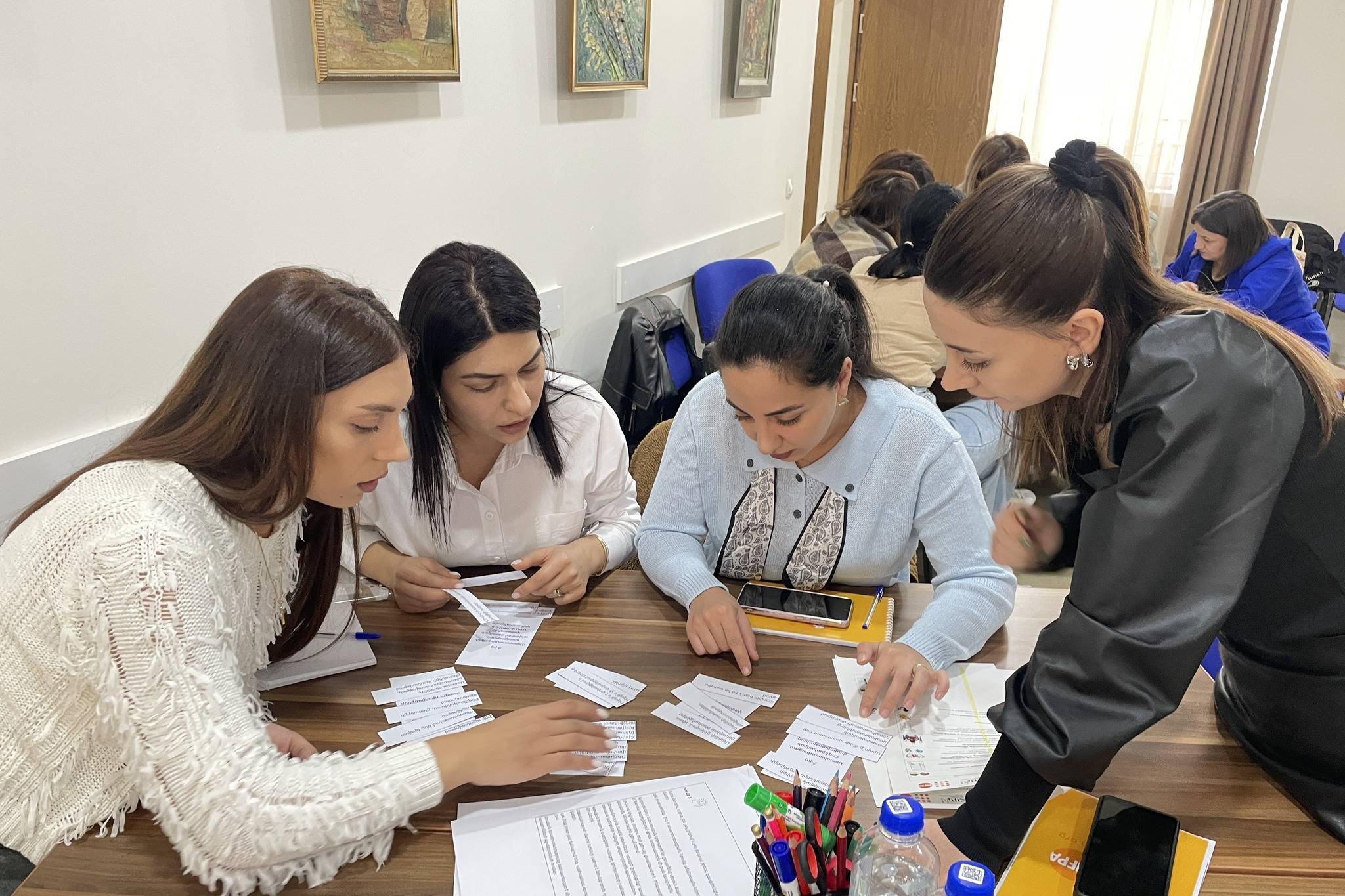
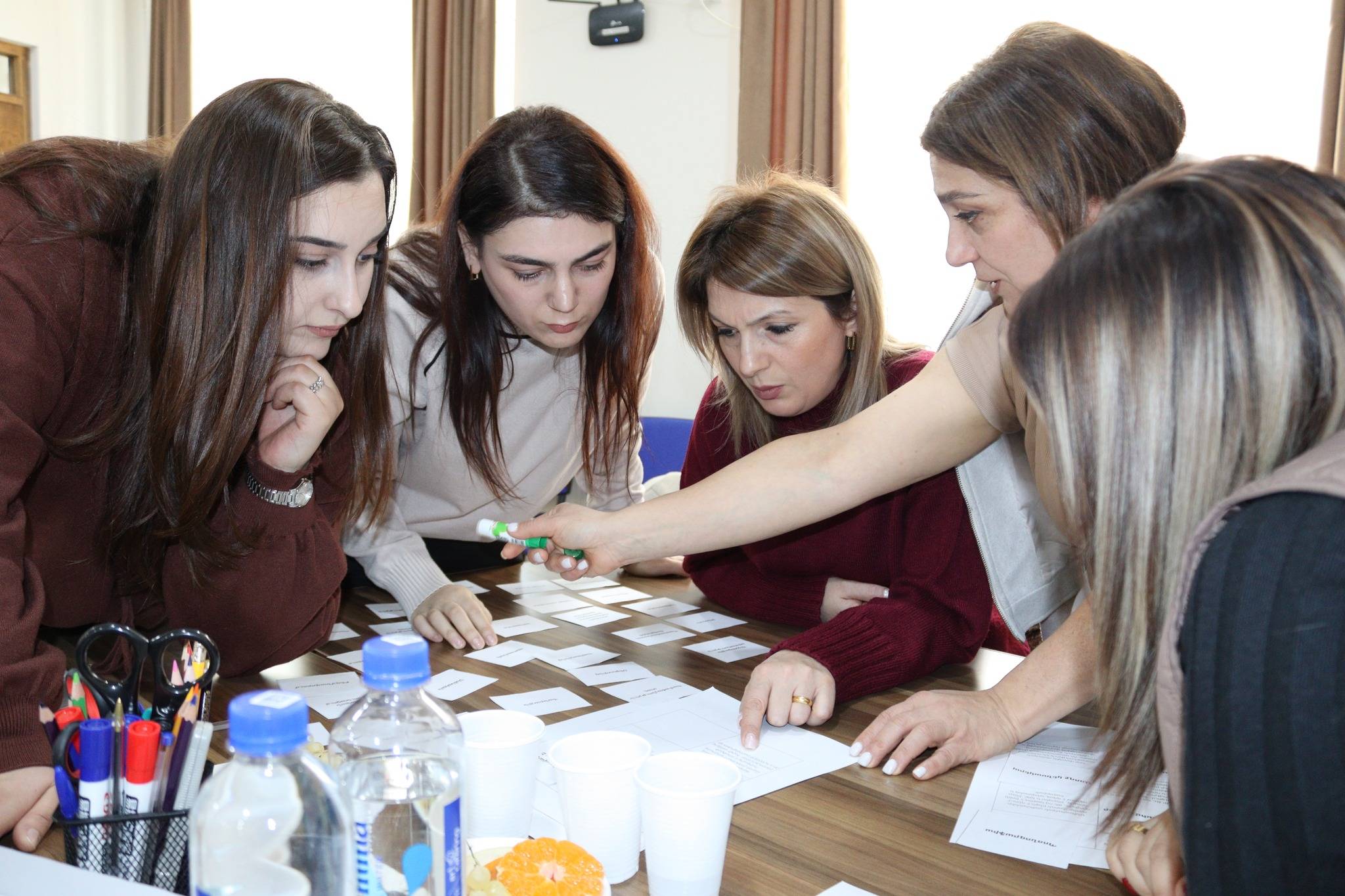
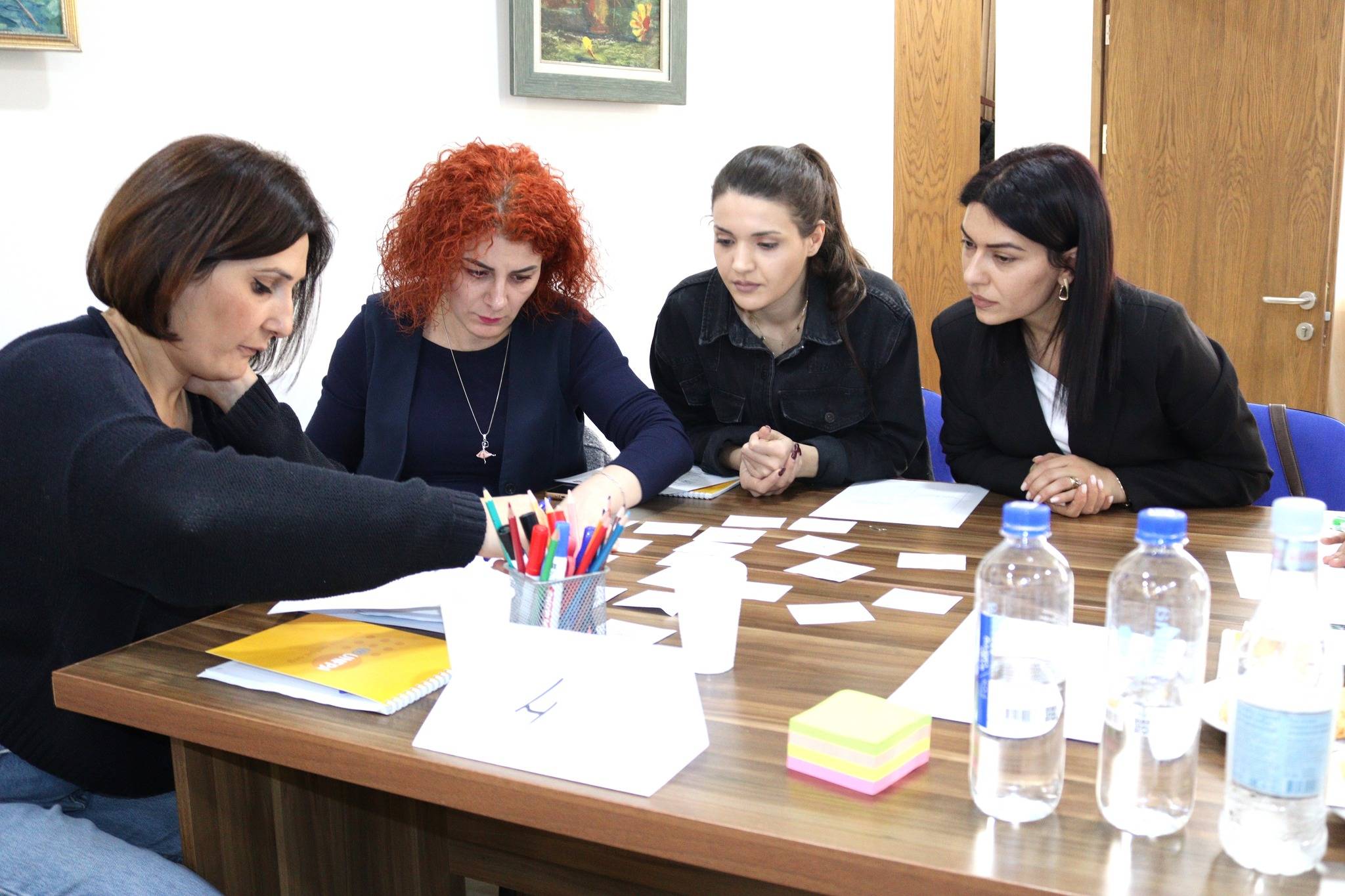
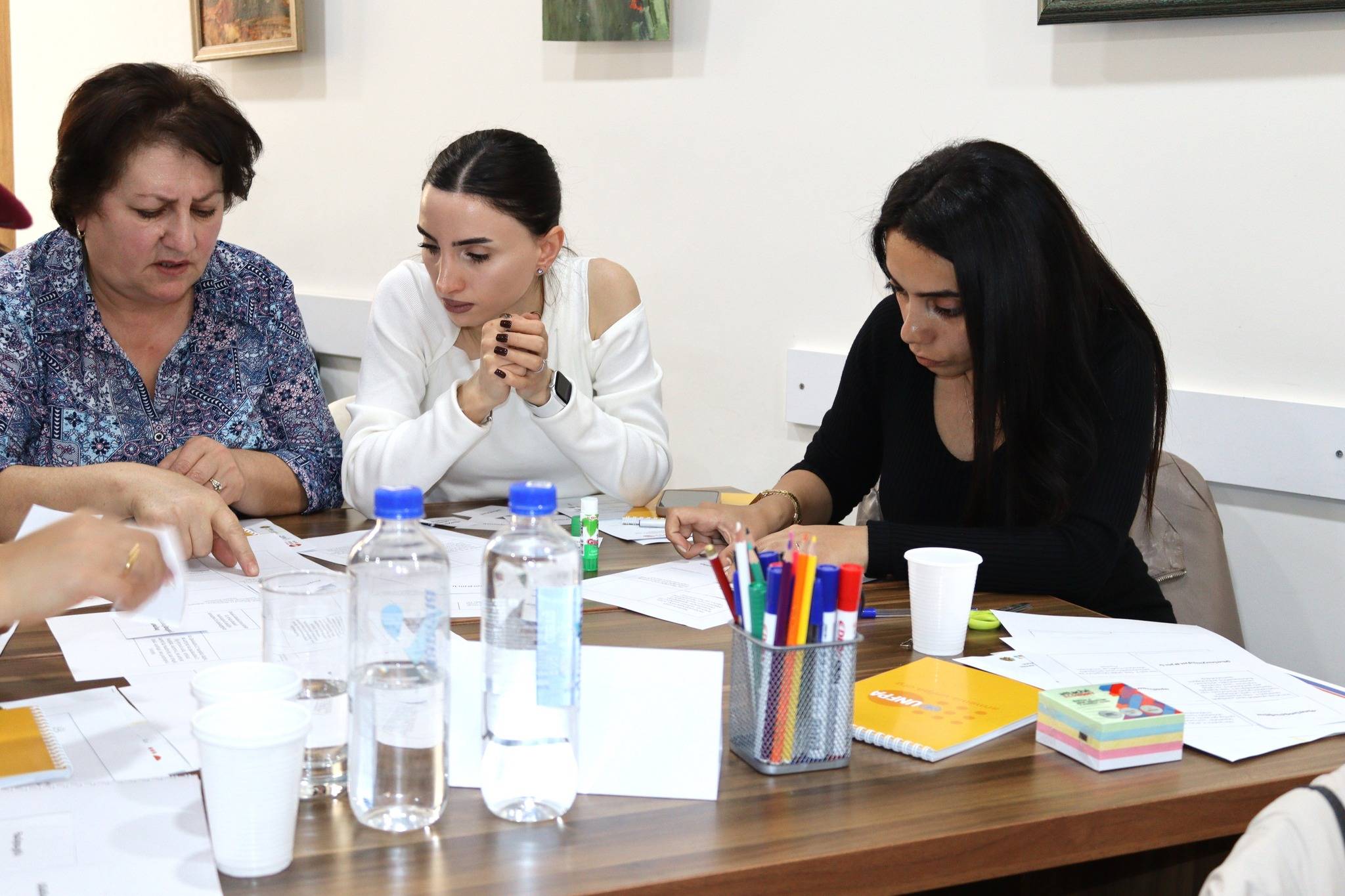
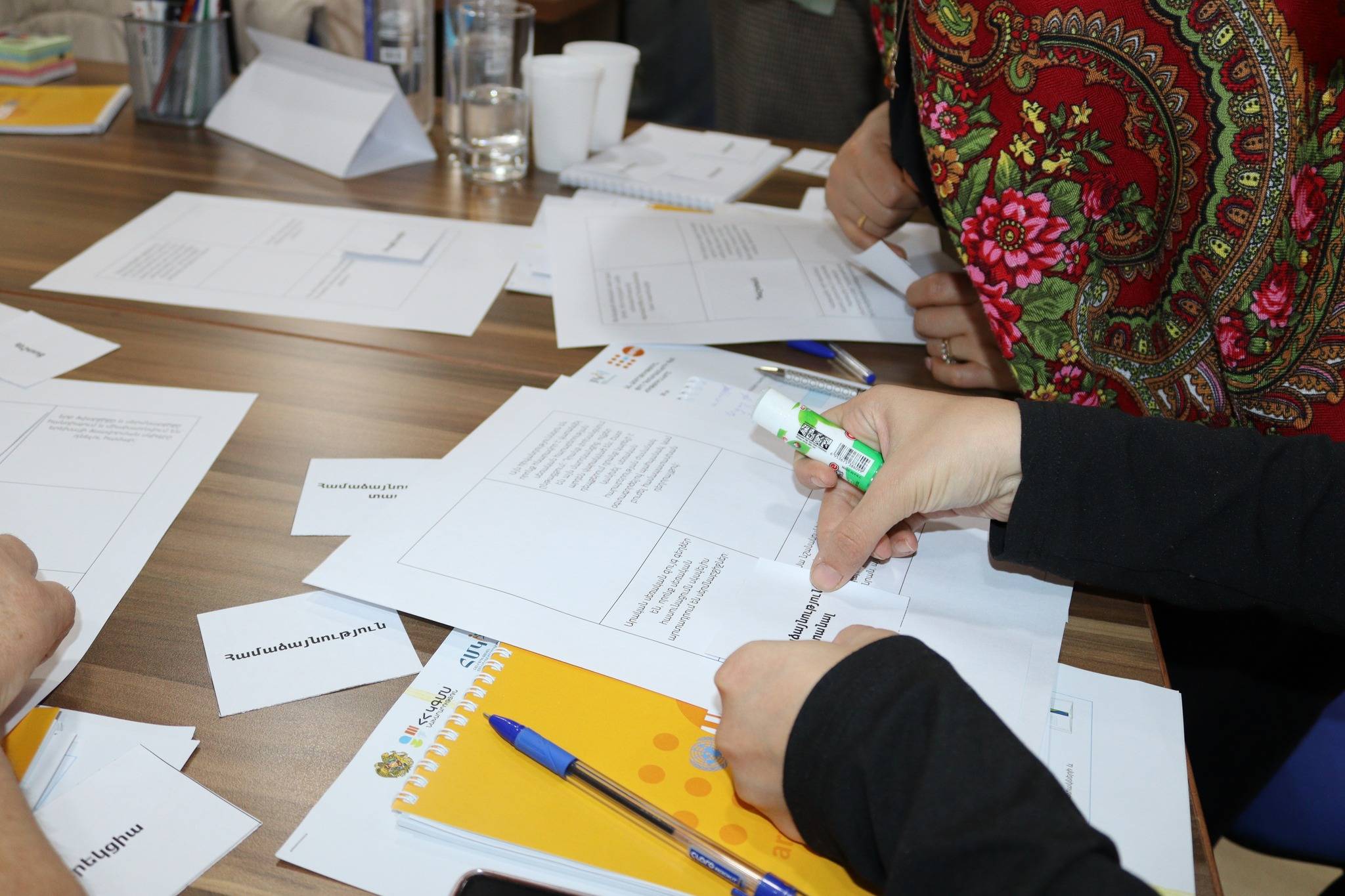
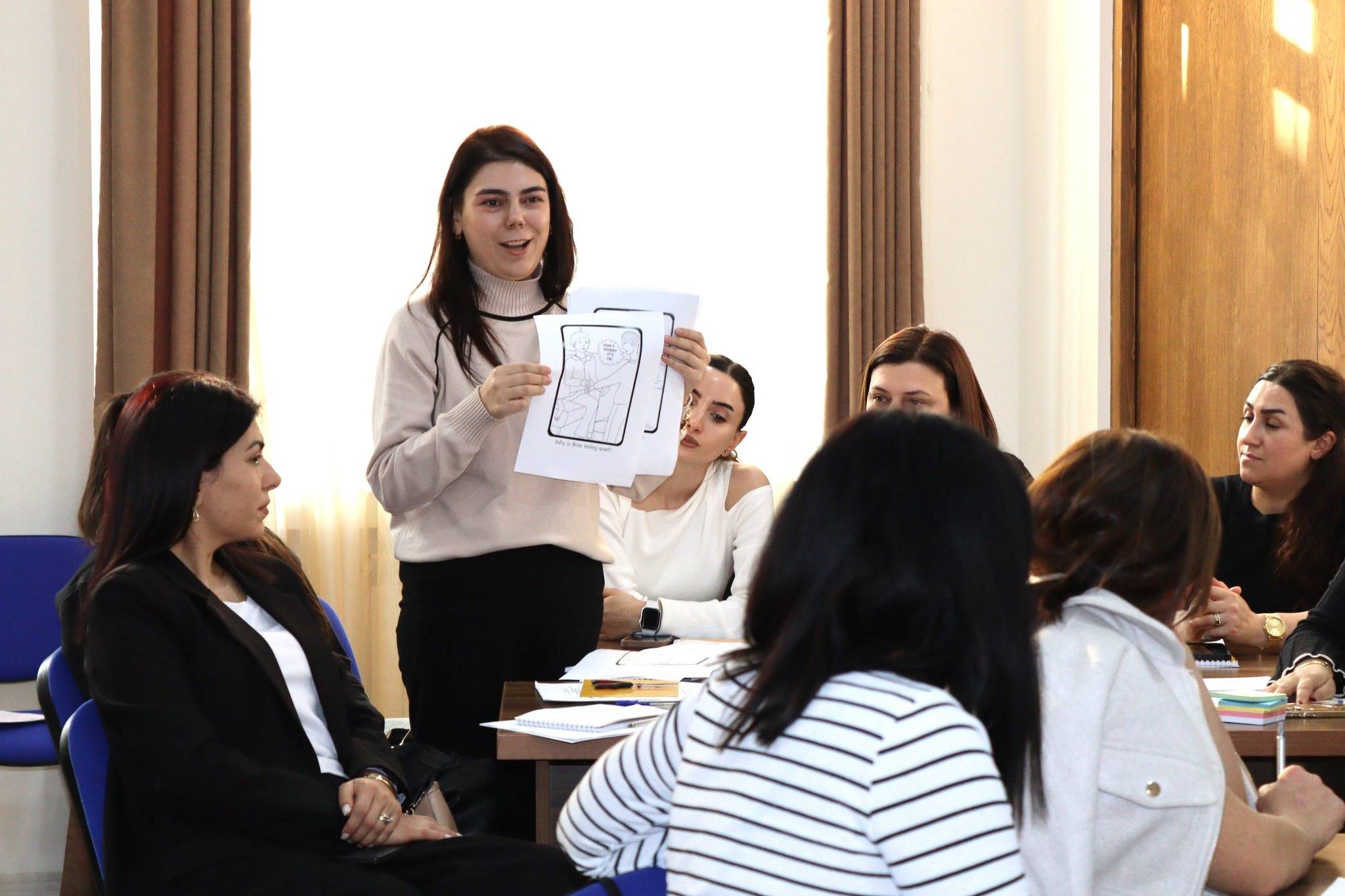
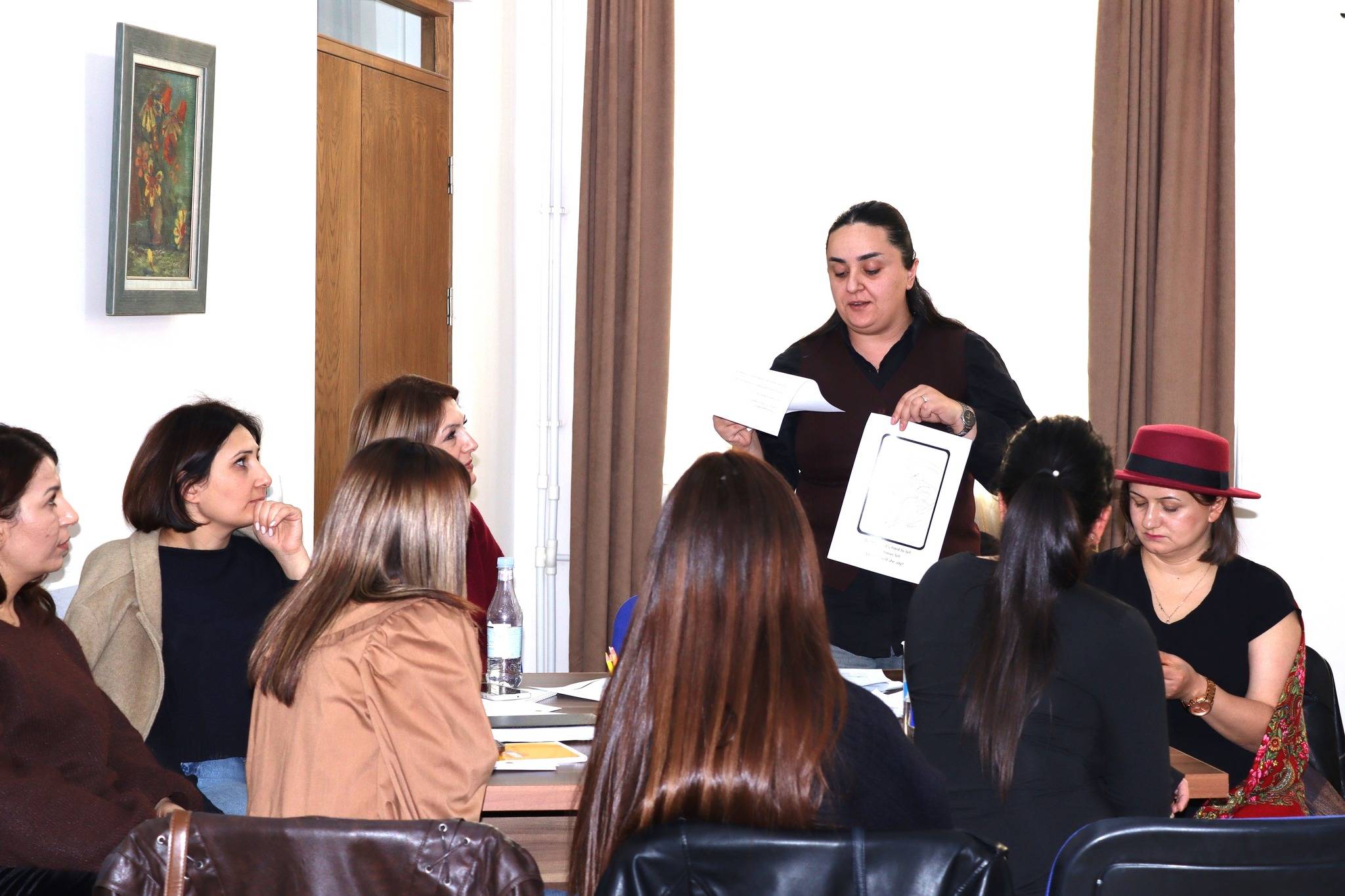


On November 20-21, 2025, the second stage of the two-day training course on “SEXUAL AND REPRODUCTIVE HEALTH: FEATURES OF WORKING WITH YOUTH WITH INTELLECTUAL DISABILITIES” topic was held at the Republican Pedagogical-Psychological Center in cooperation with the RPPC and the United Nations Population Fund (UNFPA) in Armenia, with the participation of the special educators from the RA Territorial Pedagogical-Psychological Support Centers.
The aim of the Course was to contribute to the development of specialists’ abilities to organize accessible and adapted training on topics related to sexual and reproductive health for students with intellectual disabilities.
The trainers were Eva Movsesyan, Child and Adolescent Health and Development Projects Coordinator at Arabkir Medical Centre, Shoghik Keoshkeryan, Lecturer and Academic Coordinator at the American University of Armenia, Inclusive Education and Mentoring Expert, Trainer, Haykuhi Adamyan, RPPC Deputy Director, and Lusine Hakobyan, Methodologist-Trainer at the Training and Methodological Support Department, Special Educator.
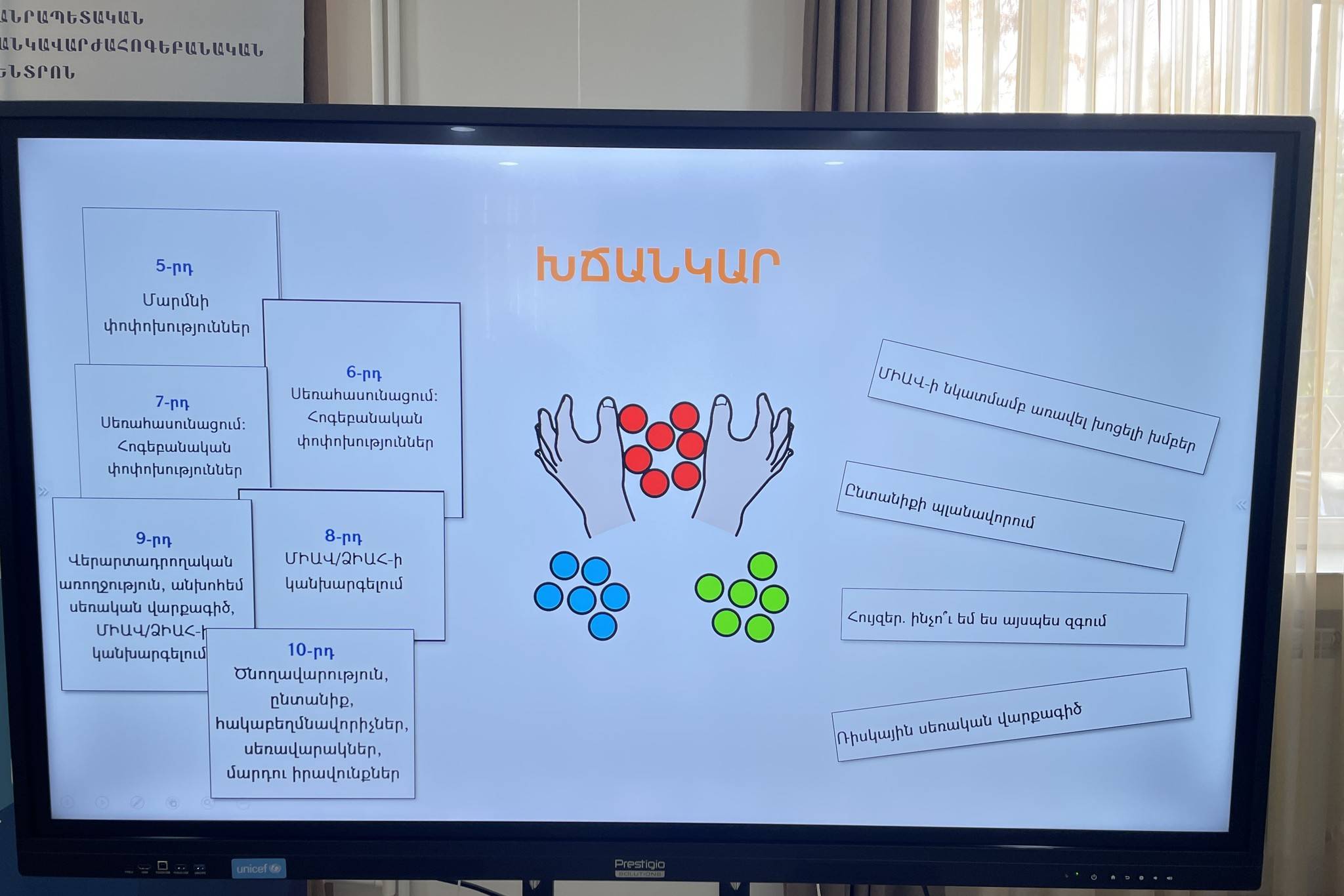
The Course addressed the most current topics related to youth sexual education, such as:
Importance was attached to the introduction of strategies and mechanisms for the application of the above-mentioned topics, focusing on raising the awareness of children and parents, and providing learners with relevant information and self-management skills.
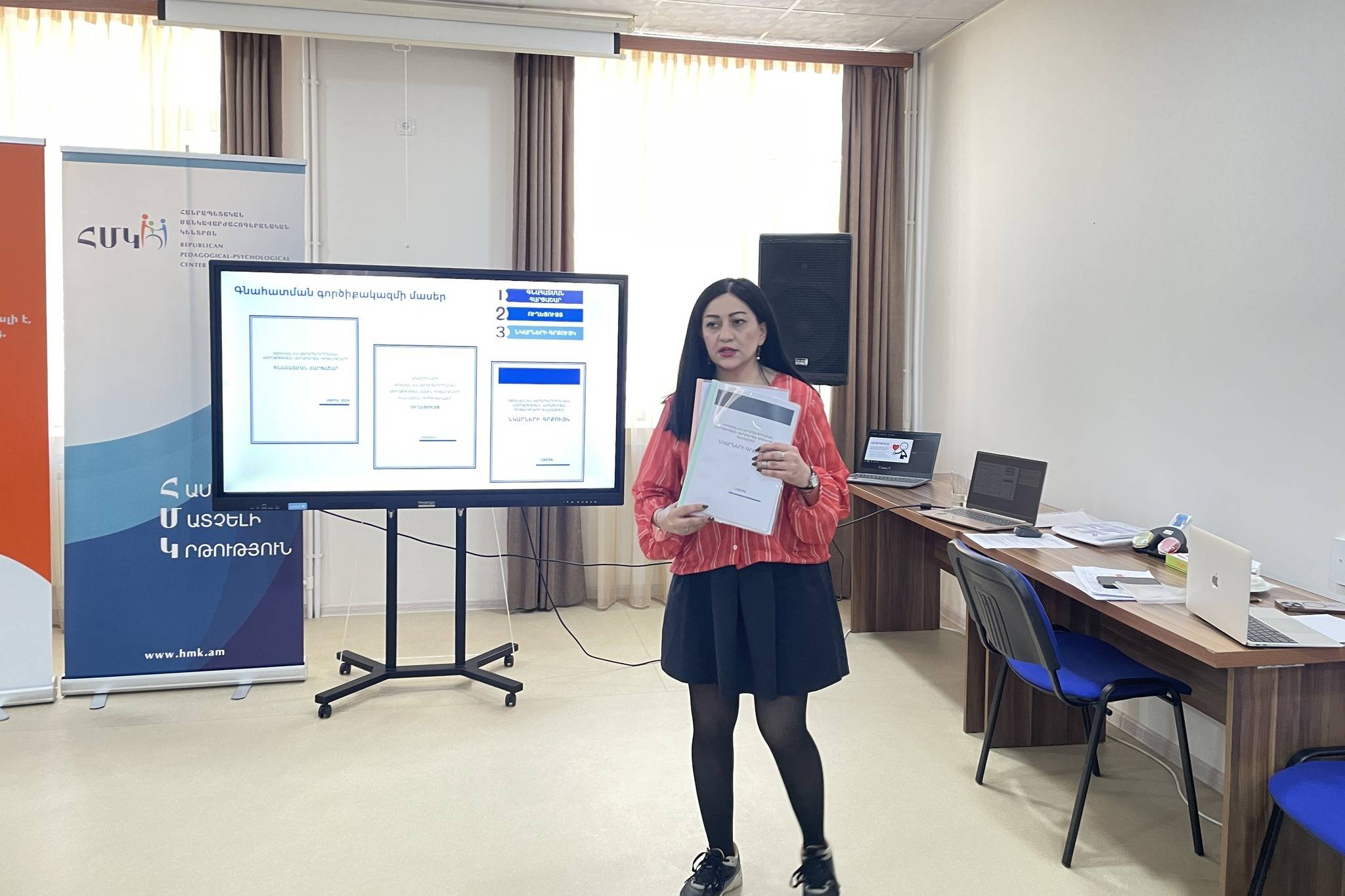
The trainers emphasized the need to take into account the specifics of the perception of students with intellectual disabilities and the difficulties caused by their vulnerability, considering the assessment of sexual and reproductive health needs as an effective tool for identifying cases and preventing violence. The structure of the sexual and reproductive health assessment toolkit, the principles of its application, its role in the individual education planning process, as well as the connection between the assessment results and the IEP were presented.
The Course was accompanied by active discussions, practical activities, and interactive workshops.
27.11.2025